How to Position a Contour Pillow Correctly
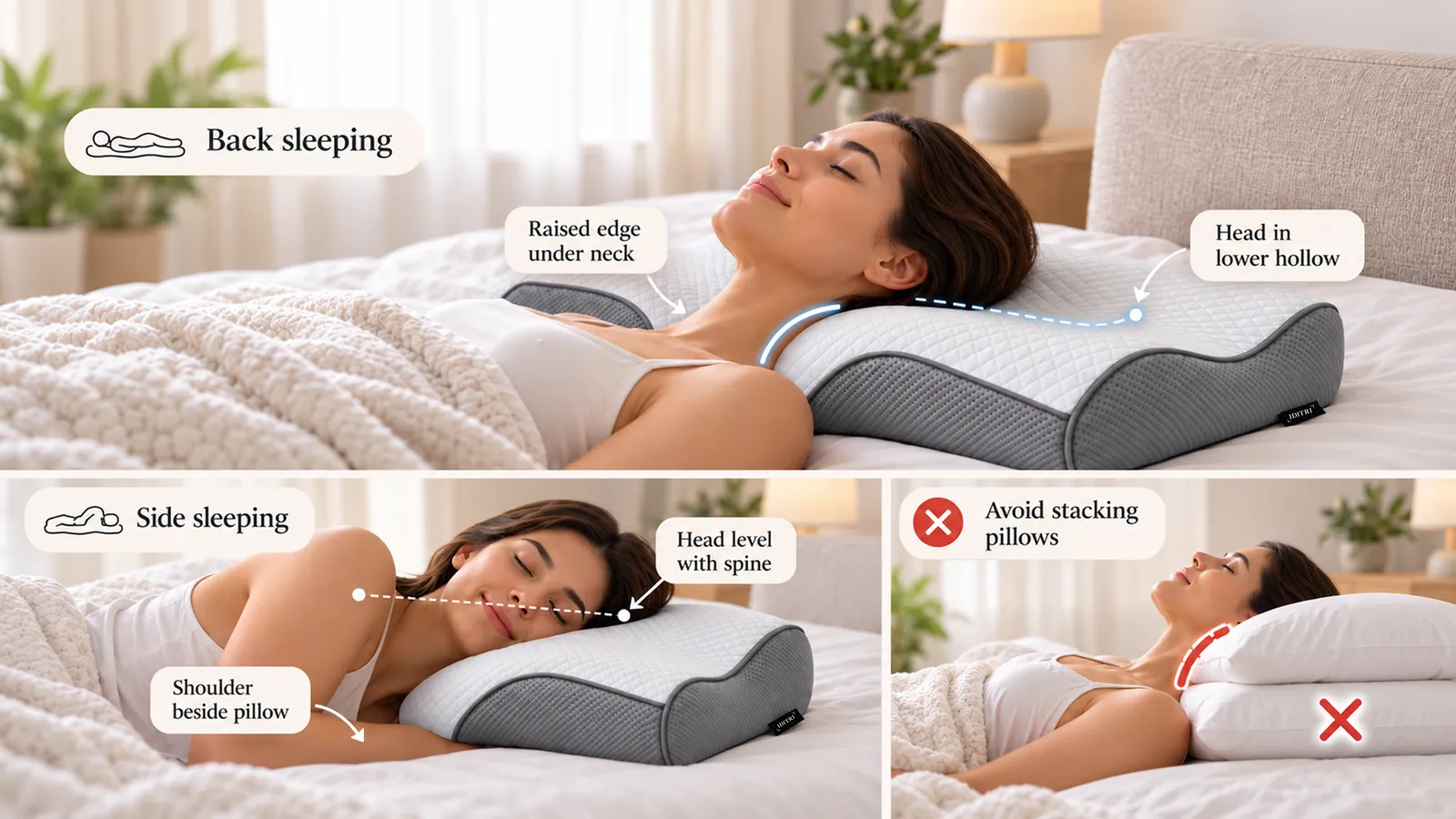
A contour pillow only works as intended when it sits in the right place. Follow these simple steps to position it under your neck, whether you sleep on your side or your back.
A contour pillow works best when it is placed the right way.
You have chosen a shaped pillow, set it on the bed, and lain down, yet something still feels slightly off. In many cases the pillow itself is fine and the only issue is where it sits. A contour has a raised edge and a lower hollow, and each part has a job to do.
This guide explains how to position a contour pillow for side and back sleeping. It is general wellness guidance, and it is not a substitute for personalised medical advice.
Know the two zones of your pillow
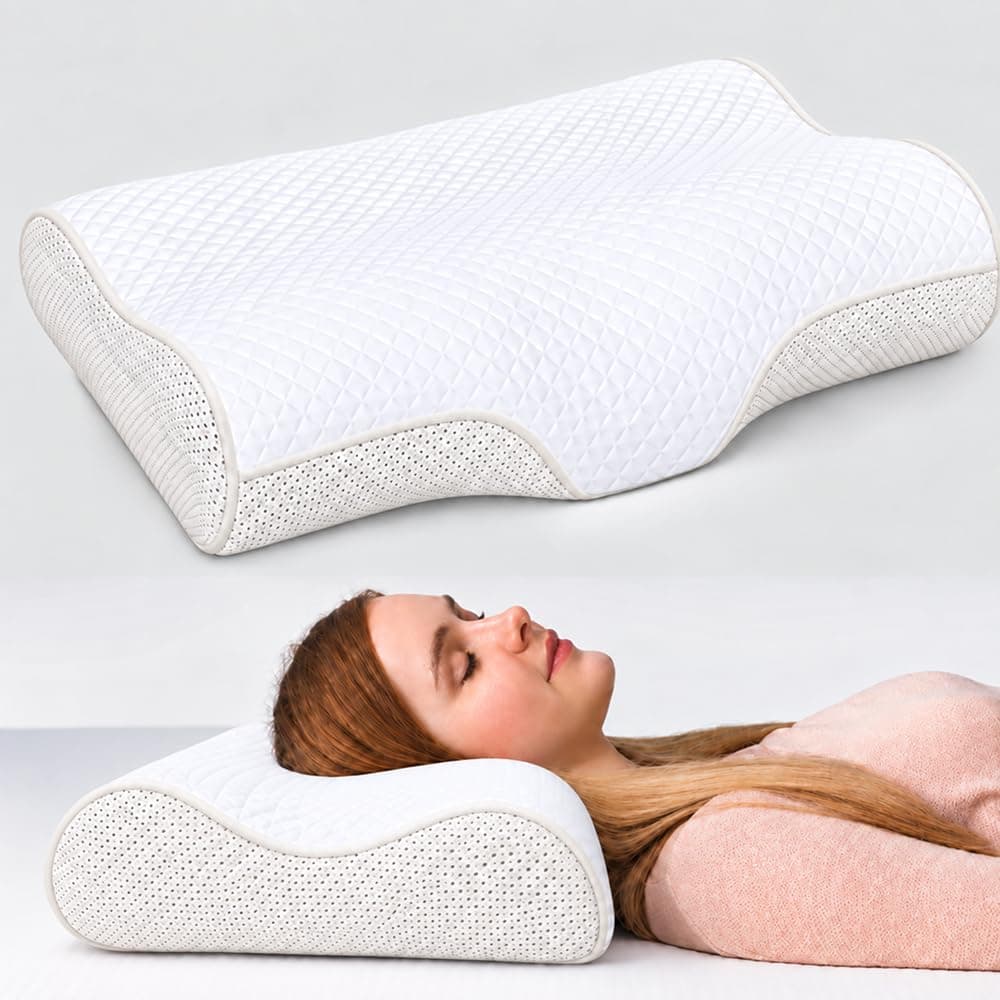
Look closely and you will see that a contour pillow is not flat. One edge is raised into a gentle curve, and the centre dips into a shallower hollow. Memory foam responds to your shape, so both zones soften slightly under pressure and then hold their form.
The raised curve is meant for the neck, and the lower hollow is meant for the head. Most positioning problems come from swapping the two, so it is worth getting this clear before you lie down.
Take a moment to feel the shape with your hands before using it for the first time. Notice where the curve rises and where the surface dips, so you know exactly which part belongs under the neck.
Setting it up for back sleeping
Back sleepers generally need less height under the head and a supportive curve beneath the neck. Take your time with these steps:
- Place the pillow flat on the bed, with the raised edge toward your feet.
- Sit back so your shoulders touch the mattress side of the pillow.
- Lie down slowly and let your head settle into the lower hollow.
- Check that the raised curve sits under the natural curve of your neck.
- Keep your chin roughly level, not pointed up or tucked in.
Avoid stacking a second pillow on top, because one supportive pillow is usually enough.
Adjusting it for side sleeping
Side sleepers need to fill the space between the ear and the mattress. For this position, many people turn the pillow so the raised edge supports the neck and the head rests slightly over the hollow as they roll to the side.
Let your shoulder rest beside the pillow instead of on top of it, so the shoulder is not pushed up toward your ear. Your nose should line up roughly with the middle of your chest, keeping the head level with the spine.
Some people also like to slide a thin folded towel beside the pillow if their shoulders are broad, then remove it once they know the position feels right. Small experiments like this are fine, as long as the head and neck stay comfortably level.
Common positioning mistakes
A few habits quietly reduce comfort. Here is what to watch for:
- Resting the shoulders on the pillow, which lifts the head too high
- Placing the raised edge under the back of the head instead of the neck
- Adding extra pillows that tilt the head forward
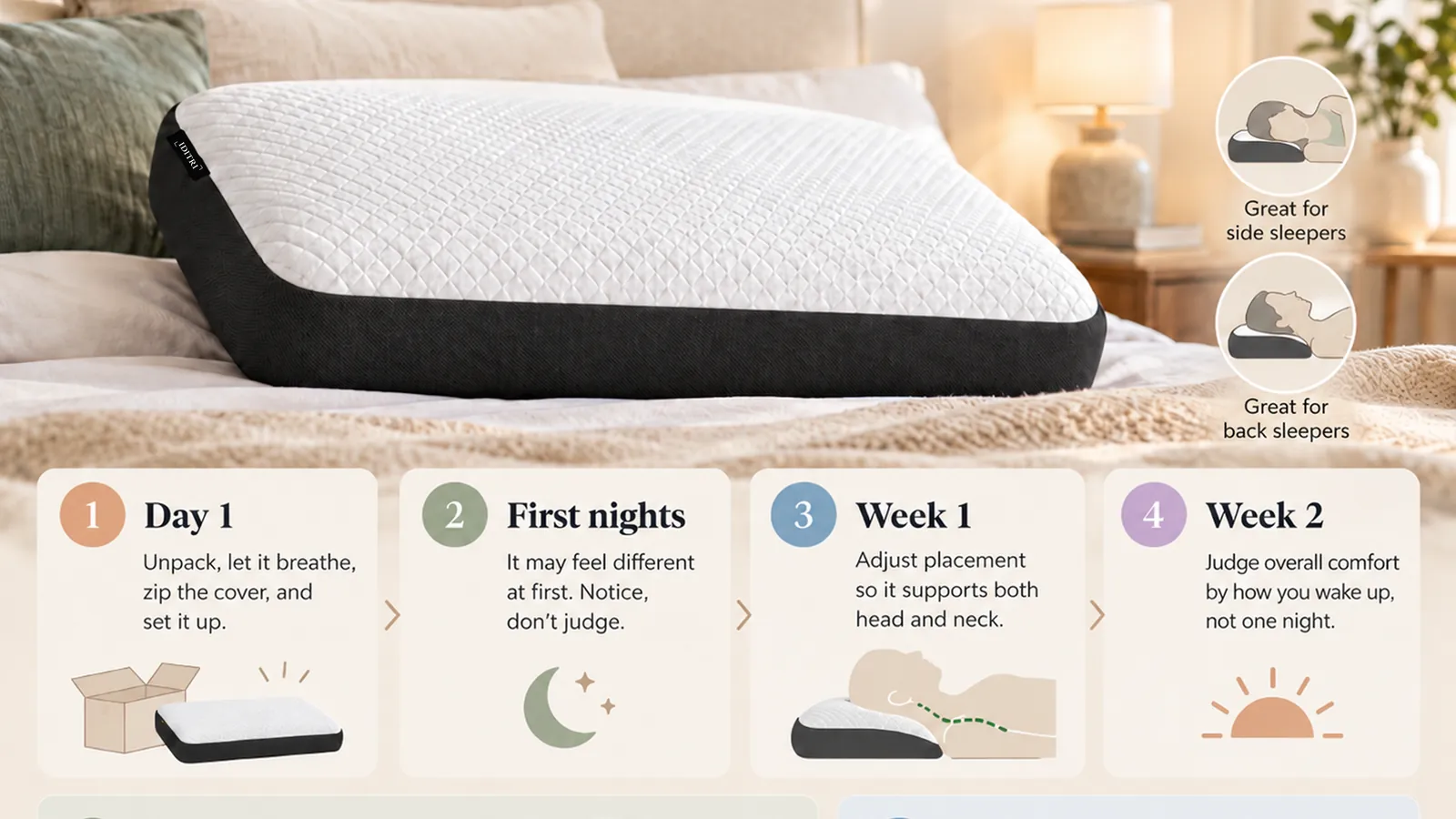
- Judging the pillow after a single night
Tip: if you wake up feeling tilted, check the position first and then give it a few more nights. Bodies take time to adjust to a new shape.
Where the IDITRI Contour Neck Pillow fits
The IDITRI Contour Neck Pillow in Milk White is a memory foam contour made for side and back sleepers. It measures 19 x 12 x 4 inches, with raised contour edges for side sleeping and a centre section that suits back sleeping. The removable zip cover is easy to wash according to its care label.
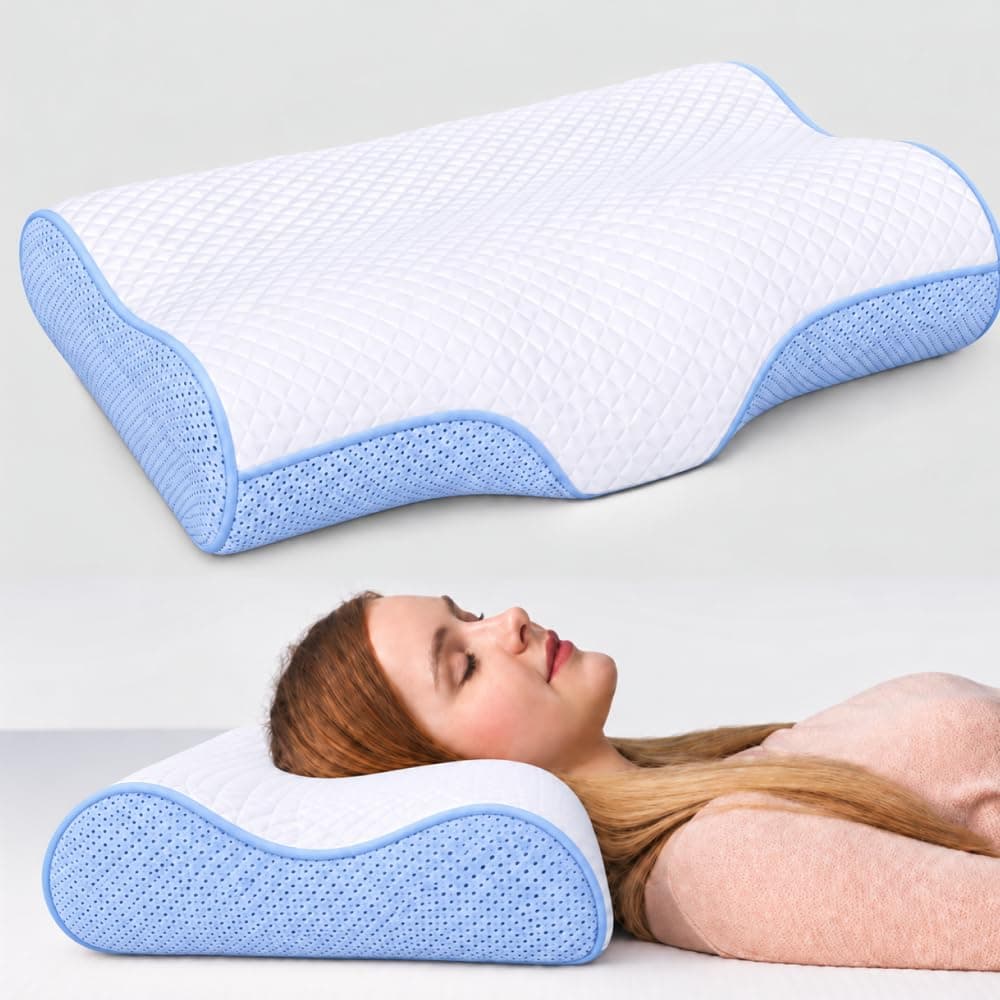
If you like a cooler shade, the Ortho Neck Pillow in Sky Blue uses a similar shape in medium-firm memory foam. You can compare both on our contour pillows page or explore the cervical pillows.
Keep it in shape and keep it clean
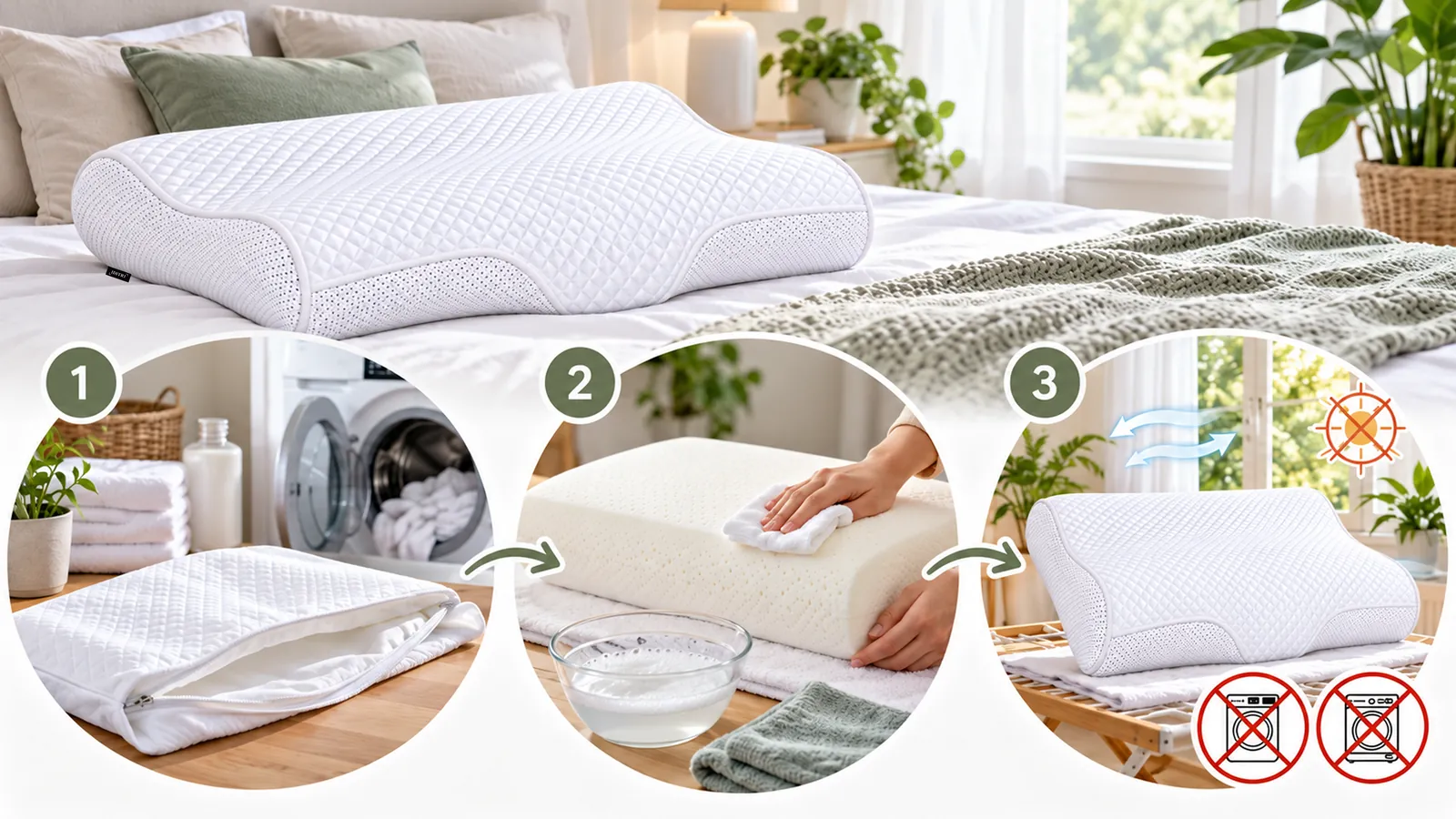
Good positioning is easier when the pillow stays tidy. Smooth the cover each morning, wash it as per its care label, and spot clean the foam core only if needed. Never machine wash the foam, and let it air dry completely before use.
If you have ongoing neck pain, numbness or tingling, please speak to a qualified healthcare professional. A well-placed pillow supports comfortable sleep, but it is not a treatment, and persistent symptoms deserve proper advice.
A quick check each evening takes only seconds. Straighten the pillow, confirm the raised edge faces the right way and then settle in.