Side, Back or Stomach Sleeper? How a Cervical Pillow Adapts to You
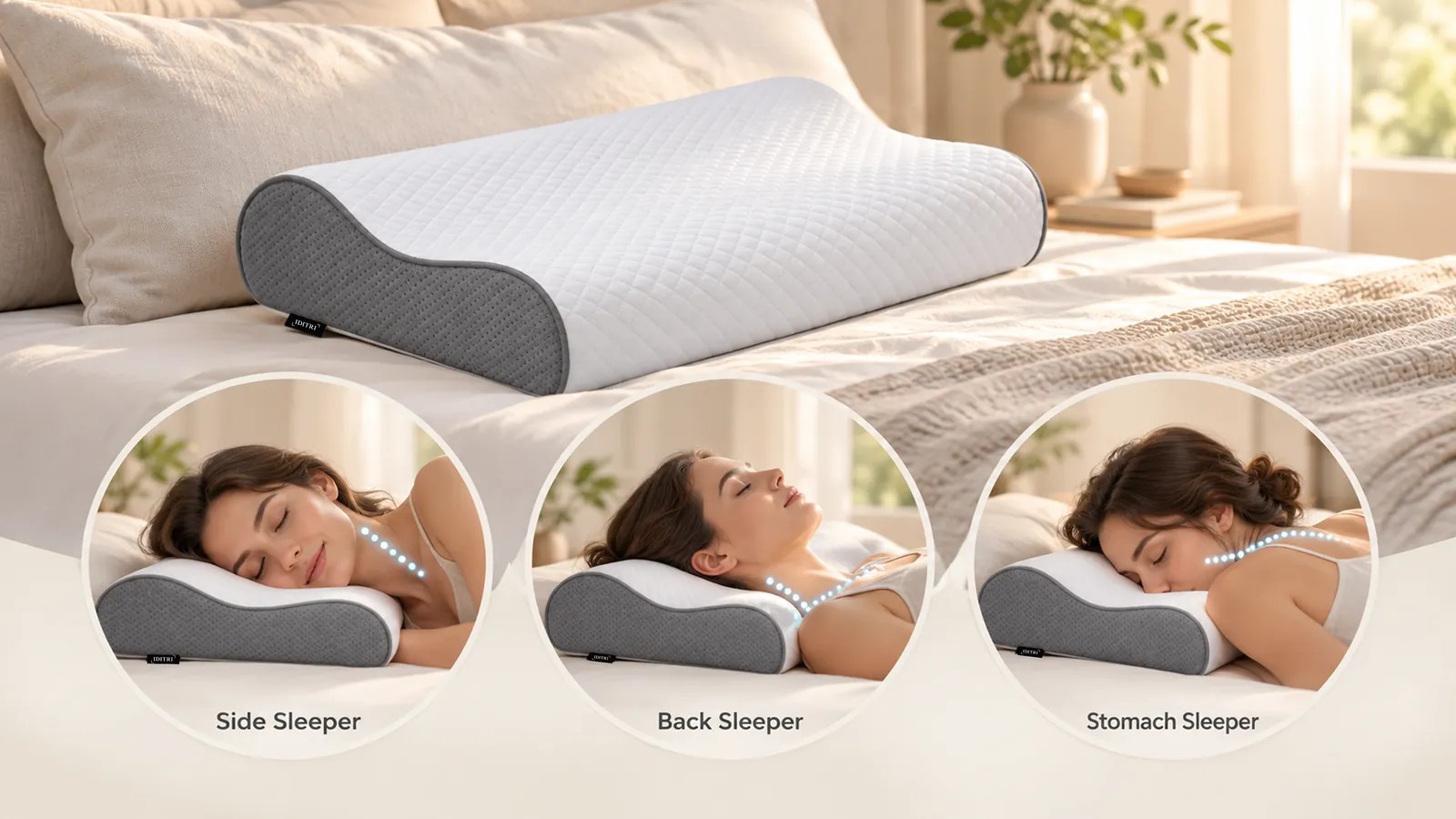
Your sleeping position decides how much support your neck needs. Here is how a contoured cervical pillow can work for side, back and stomach sleepers, and how to choose the right one.
Your sleeping position decides what your neck needs.
Most of us pick a pillow by how soft it feels in the shop, then spend years wondering why we wake up with a stiff neck. The missing question is usually a simple one: how do you actually sleep? A pillow that suits a back sleeper can leave a side sleeper's head tilted downward, and the reverse is just as true.
This guide walks through what each sleeping position asks of a pillow, and where a contoured cervical pillow fits in. It is intended as general wellness guidance and is not a substitute for personalised medical advice.
What a cervical pillow actually does
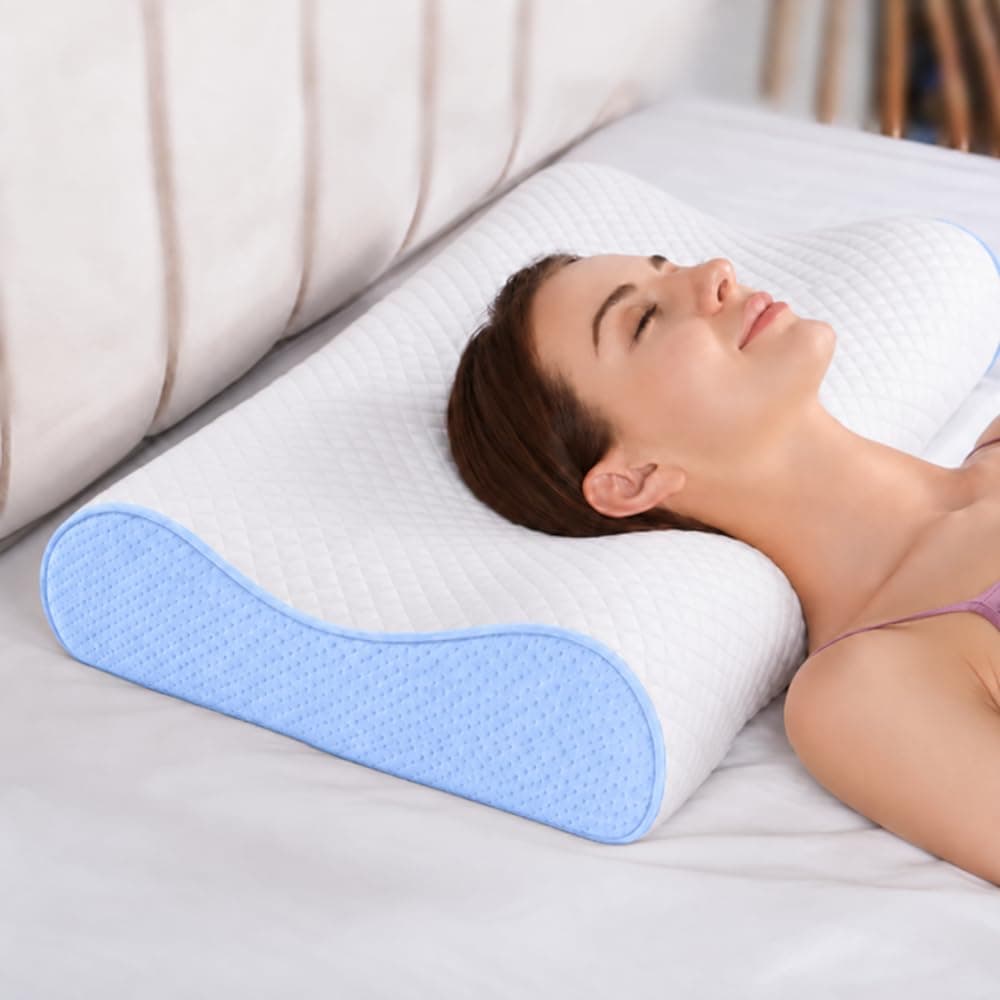
A cervical pillow is *shaped*, not just filled. Instead of a flat rectangle, it has a gentle contour that cradles the curve of the neck and lets the head rest at a comfortable height. The goal is to keep your head, neck and shoulders in a relaxed, neutral line while you sleep, so your neck muscles are not working overnight to hold your head in place.
Memory foam suits this job well because it responds to your shape and then holds it. It softens slightly under your head, supports the neck beneath it, and does not flatten out in the first few months the way a loose-fill pillow can.
Side sleepers: closing the gap
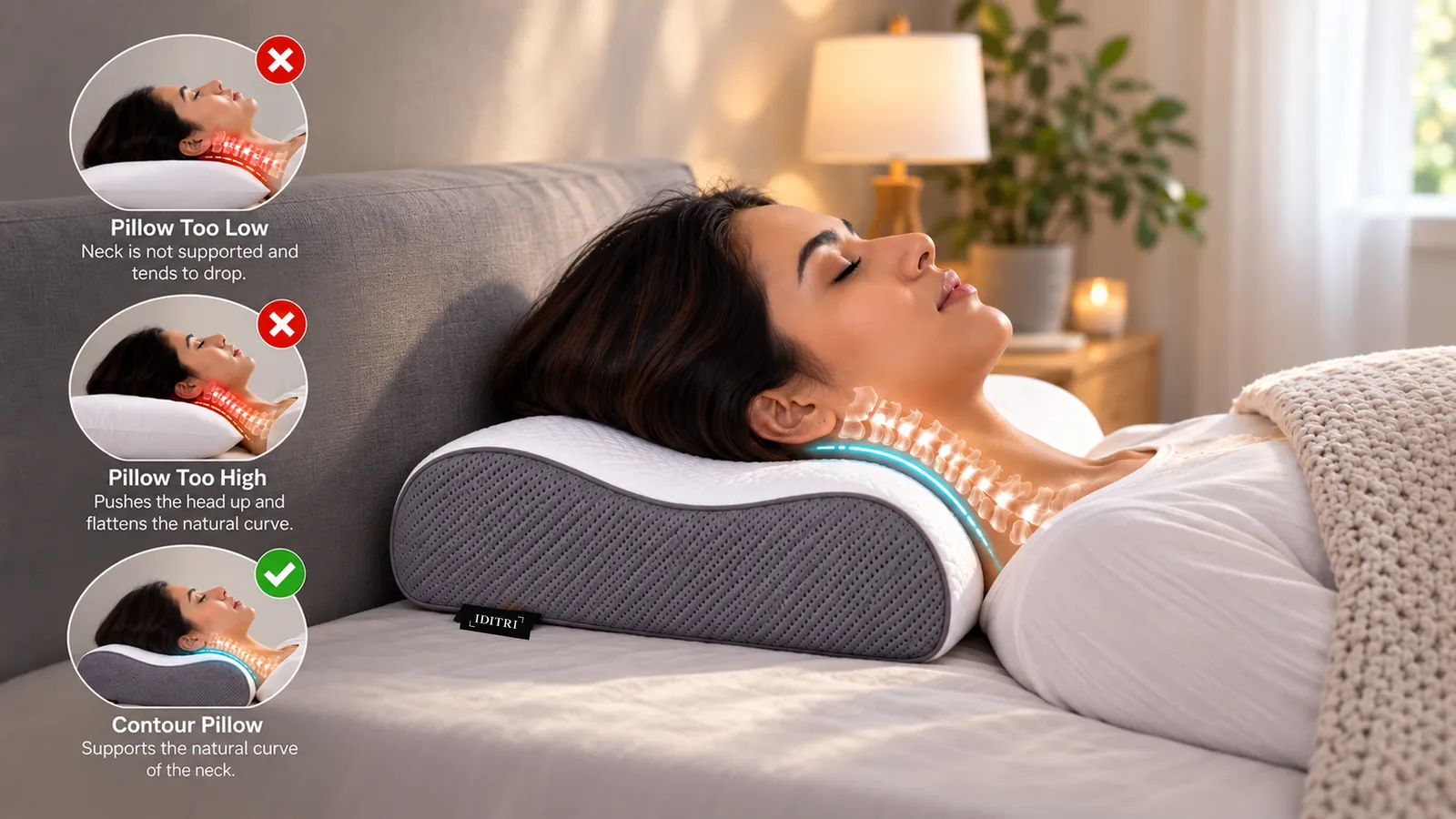
When you lie on your side, there is a space between your ear and the mattress that is roughly as wide as your shoulder. A pillow that is too thin lets your head drop into that space, bending the neck sideways. A pillow that is too tall pushes it the other way.
A contoured pillow helps by filling the gap under the neck while letting the head sit level. Follow three simple steps:
- Position the pillow so the raised curve supports your neck.
- Keep your chin neutral, rather than tucked.
- Let your shoulder rest beside the pillow, not on top of it.
Back sleepers: supporting the natural curve
Back sleeping asks for less height but more shape. The neck has a natural forward curve, and a flat pillow tends to push the head forward and flatten that curve. A cervical contour supports the curve directly beneath the neck, so the head rests back gently instead of being propped up.
If you sleep on your back, place the contour under your neck rather than far under your head, and avoid stacking extra pillows on top. One supportive pillow is usually enough.
Stomach sleepers: keeping the head low
Stomach sleeping is the hardest position for the neck, because your head has to turn to one side for hours. A tall pillow makes that worse by lifting the head and increasing the twist. Many stomach sleepers are more comfortable with a lower, softer surface, and some find that moving toward side or back sleeping over time is gentler on the neck.
If you are not ready to change position, choose a pillow that does not push your head up, and keep your body as straight as you can from head to hips.
Where the IDITRI Cervical Neck Pillow fits
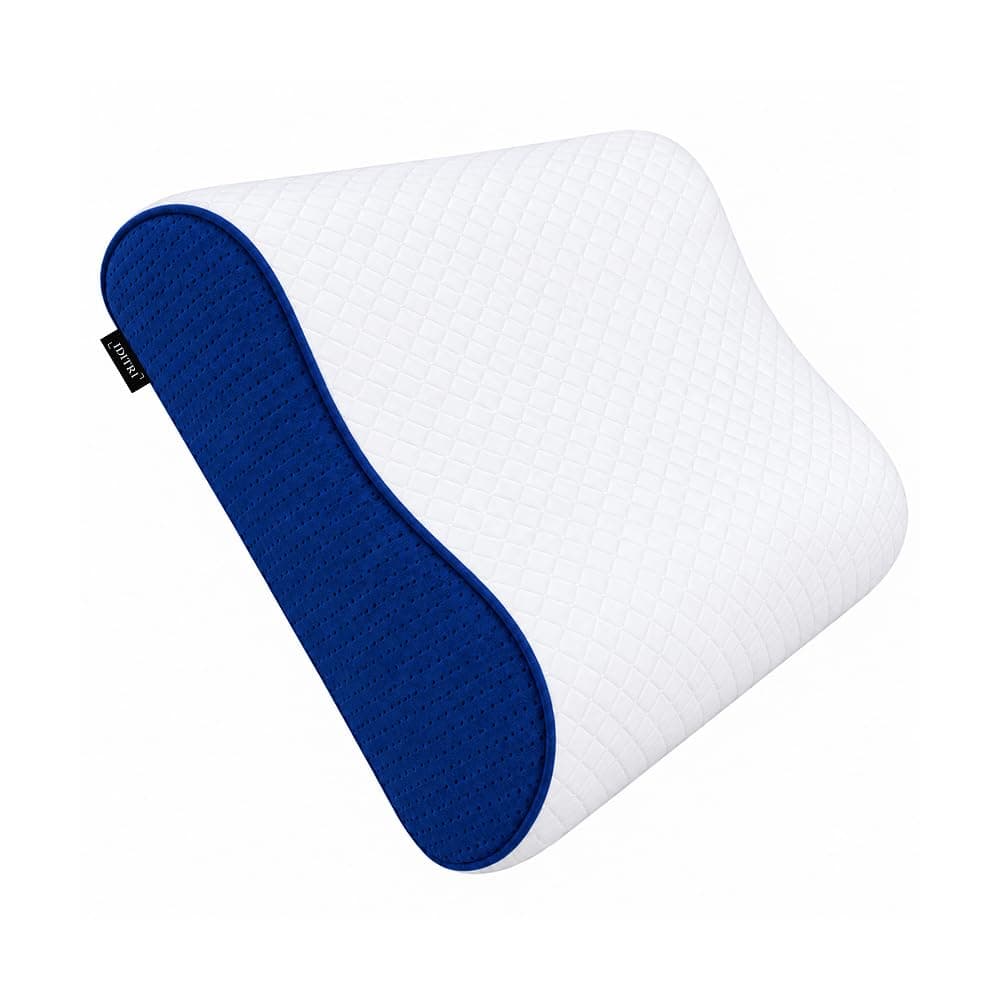
The IDITRI Cervical Neck Pillow in Sky Blue is made for exactly this mix of sleeping styles. Here is what stands out:
- Soft memory foam in a contoured shape that cradles the head and neck
- Side, back and stomach sleepers are all covered
- 19 x 12 x 4 inches, a practical size for most beds
- Zip-off washable cover, to be washed as per its care label
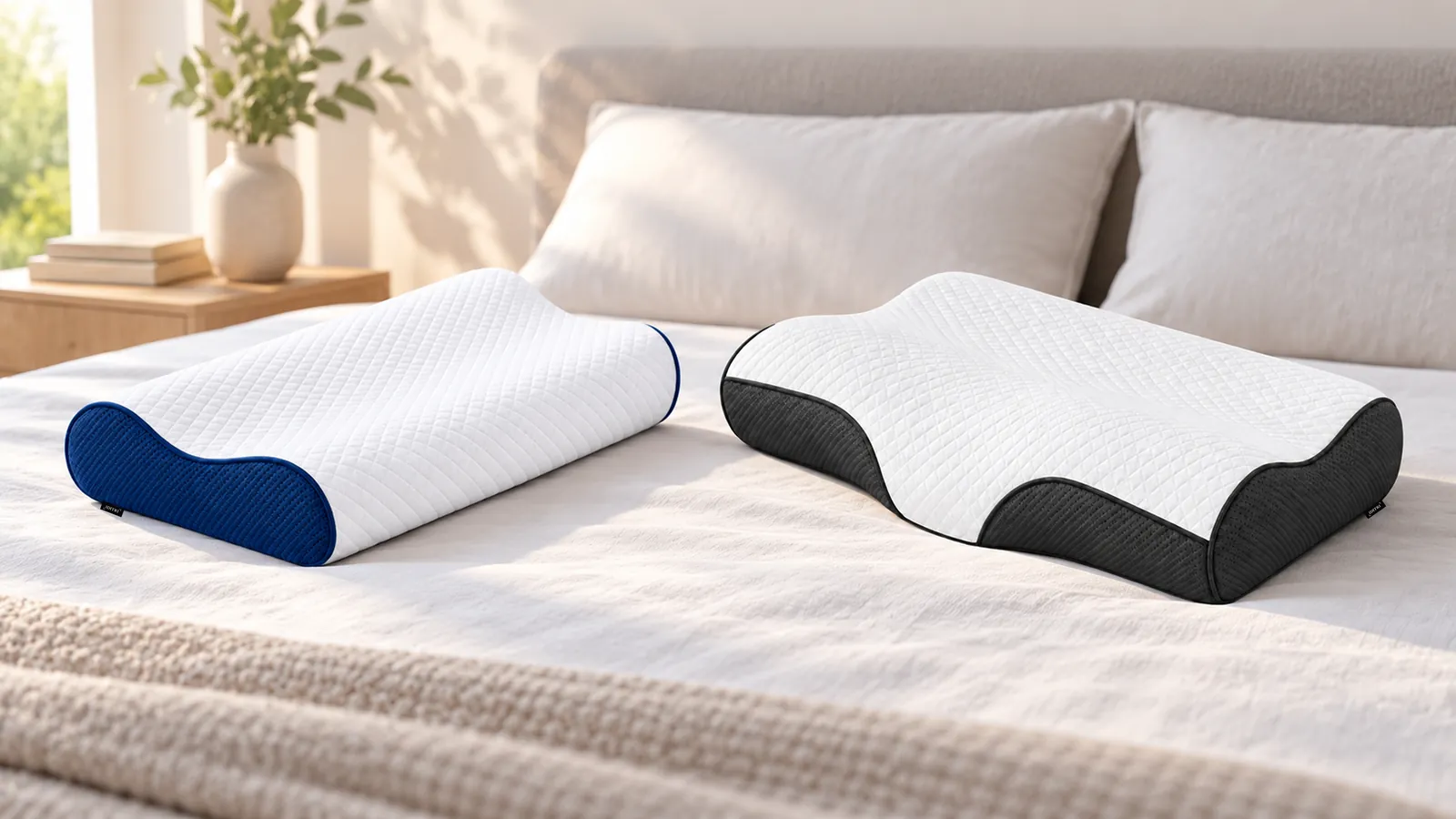
If you prefer a deeper tone, the Navy Blue cervical pillow offers the same ergonomic idea in a different colour. You can see every shape and colour together on our cervical pillows page, or compare it with a more sculpted option in our contour pillows collection and a flatter everyday option in our rectangle pillows.
Getting used to a new pillow
A contoured pillow can feel different at first, especially if you are moving from a flat one. Keep the cover clean by washing it as per its care label, and spot clean the foam core, letting it air dry completely before use.
Tip: Give your body a week or two to adjust, and try a few nights in your main sleeping position before judging the pillow.
If you have ongoing neck pain, numbness or tingling, please speak to a qualified healthcare professional. A good pillow supports comfortable sleep, but it is not a treatment, and persistent symptoms deserve proper advice.