How to Wash a Memory Foam Pillow Cover and Keep the Foam Fresh
Memory foam needs different care from a regular pillow. Here is a simple routine for washing the cover, spot cleaning the foam and drying it properly so your pillow stays fresh for longer.
A fresh pillow starts with the right kind of care.
You would not sleep on the same unwashed sheet for months, yet many of us rarely think about the pillow itself. Over time, a pillow collects skin oils, dust and everyday moisture. Keeping it clean is one of the simplest ways to make your bed feel fresh again.
Memory foam is different from a fibre-filled pillow, though. It does not like being soaked or tumbled in a washing machine. This guide explains what to do, what to avoid, and how often to do it.
Why memory foam needs gentler care
Memory foam is made of dense, flexible cells that respond to your body shape. When it is soaked, water gets trapped deep inside and takes a very long time to leave. Aggressive washing or squeezing can also damage the foam and change how the pillow feels.
That is why most memory foam pillows come with a removable cover. The cover does the hard work of taking on sweat and dirt, and it can be washed easily, while the foam core is kept dry and protected.
Step one: wash the cover
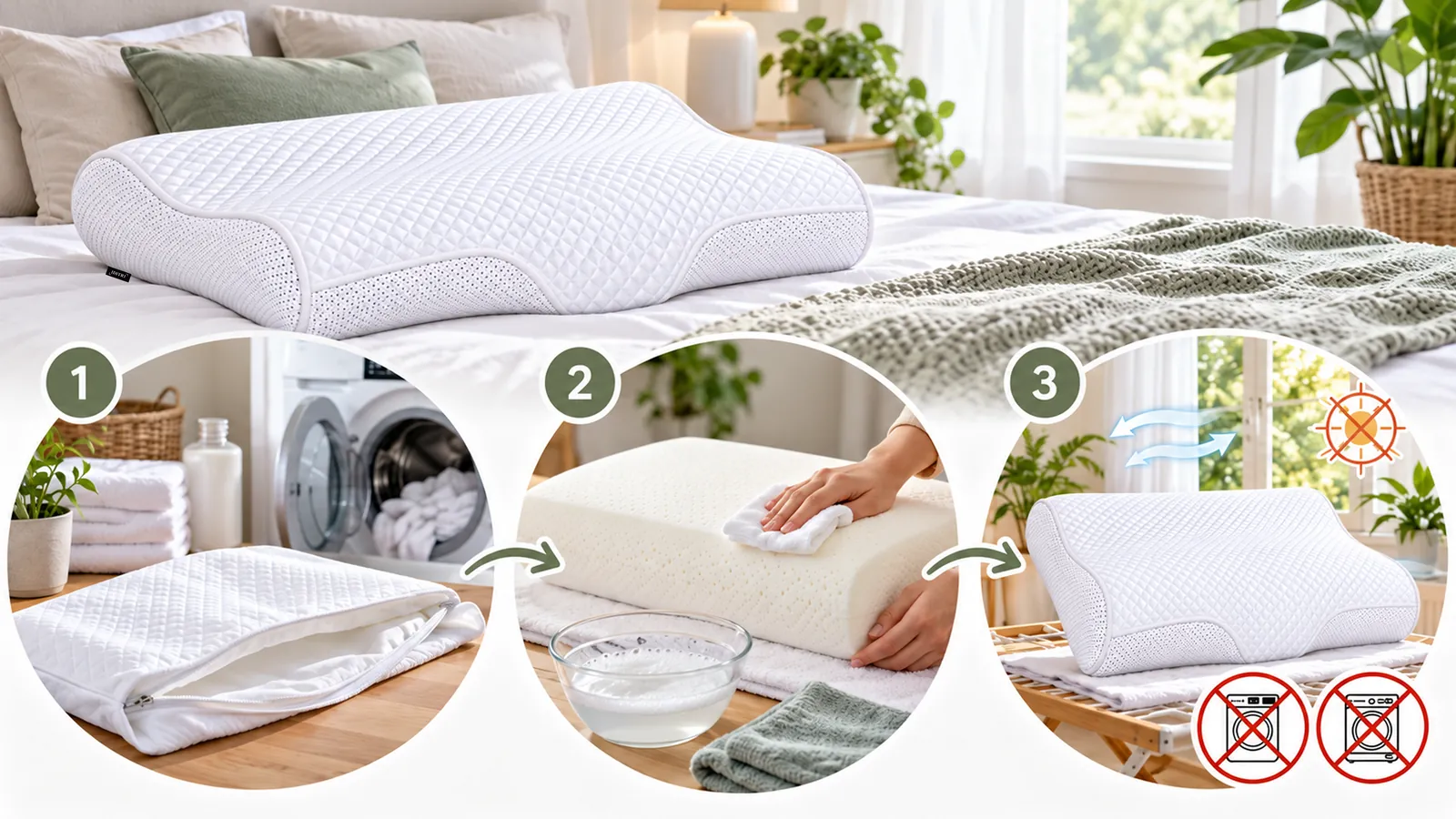
Washing the cover about once a week keeps the sleeping surface fresh, and it fits easily into your normal bed linen routine. Follow these steps:
- Unzip the cover and slide it off the foam.
- Check the care label for temperature and washing method.
- Wash the cover only, never the foam.
- Let the cover dry fully before putting it back on.
A cover that is even slightly damp can leave the foam feeling clammy and may cause odours.
Step two: spot clean the foam
If you notice a small mark, dab it with a lightly damp cloth and a drop of mild soap, then wipe away any residue with a clean damp cloth. Use as little moisture as possible, and never soak or wring the foam.
Never machine wash the foam core. Spot clean only, and let it air dry completely before use.
Once you have cleaned the spot, leave the pillow somewhere airy and let it dry completely before you put the cover back on and use it again.
Step three: air it out properly
Fresh air does a surprising amount of work. Every few weeks, take the bare foam out of its cover and let it rest in a well-ventilated room for a few hours. Keep it away from direct sun and strong heat, which can affect the foam over time.
Avoid using a hairdryer or placing the pillow on a radiator to speed things up. Slow, natural drying is always safer for memory foam.
Common mistakes to avoid
The most frequent mistake is putting the foam itself in the washing machine. The foam absorbs water, stays damp for a long time and can lose its comfortable feel, so keep machine washing for the cover only. The second is putting the cover back on before it is completely dry, which can leave the pillow smelling stale.
Other habits to skip: of a weekly cover wash, occasional spot cleaning and regular airing is all most pillows ever need.
- Scrubbing the foam hard
- Using strong bleach or harsh cleaners
- Drying the pillow in direct sunlight or on a heater
Gentle, patient care is what keeps memory foam comfortable. A simple routine of a weekly cover wash, occasional spot cleaning and regular airing is all most pillows ever need.
Pillows that make care easy
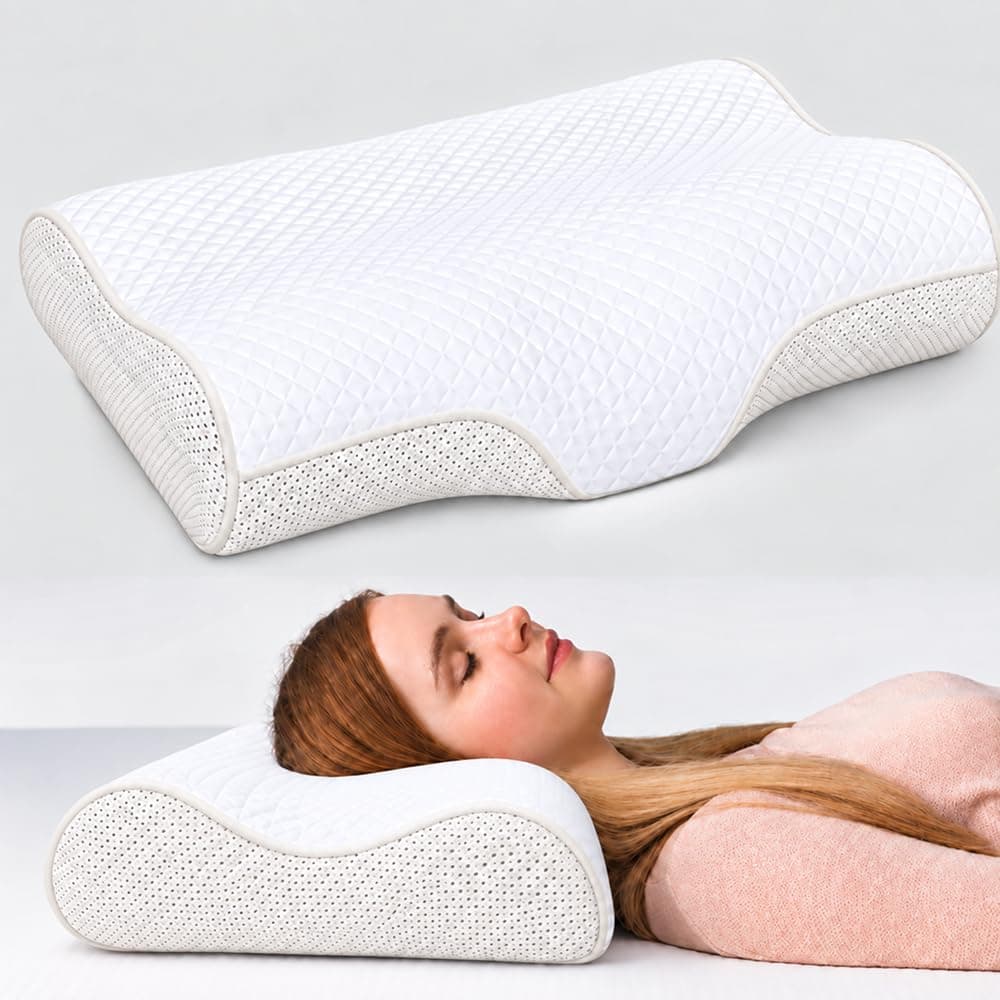
The IDITRI Orthopedic Memory Foam Pillow in Milk White is designed with this routine in mind. Its stretchy cover slides off with a single zip, and its light shade makes it easy to see when a wash is due. The foam core simply needs spot cleaning and air drying.
The IDITRI Cervical Neck Pillow in Sky Blue also has a zip-off cover that is easy to wash. Browse our full range on the contour pillows page or the cervical pillows page.
Know when it is time to replace
Even with perfect care, no pillow lasts forever. If your memory foam pillow has developed lasting dents, a persistent smell after cleaning, or no longer supports your neck the way it used to, it may be time for a new one. A fresh, supportive pillow is a small change that can make every night more comfortable.
Until then, a pillow protector under the cover and a quick weekly shake and airing will help it stay comfortable for longer. Treat the routine as part of making the bed, and it will take only a couple of minutes.