Orthopedic Pillows vs Regular Pillows: What Is the Difference?
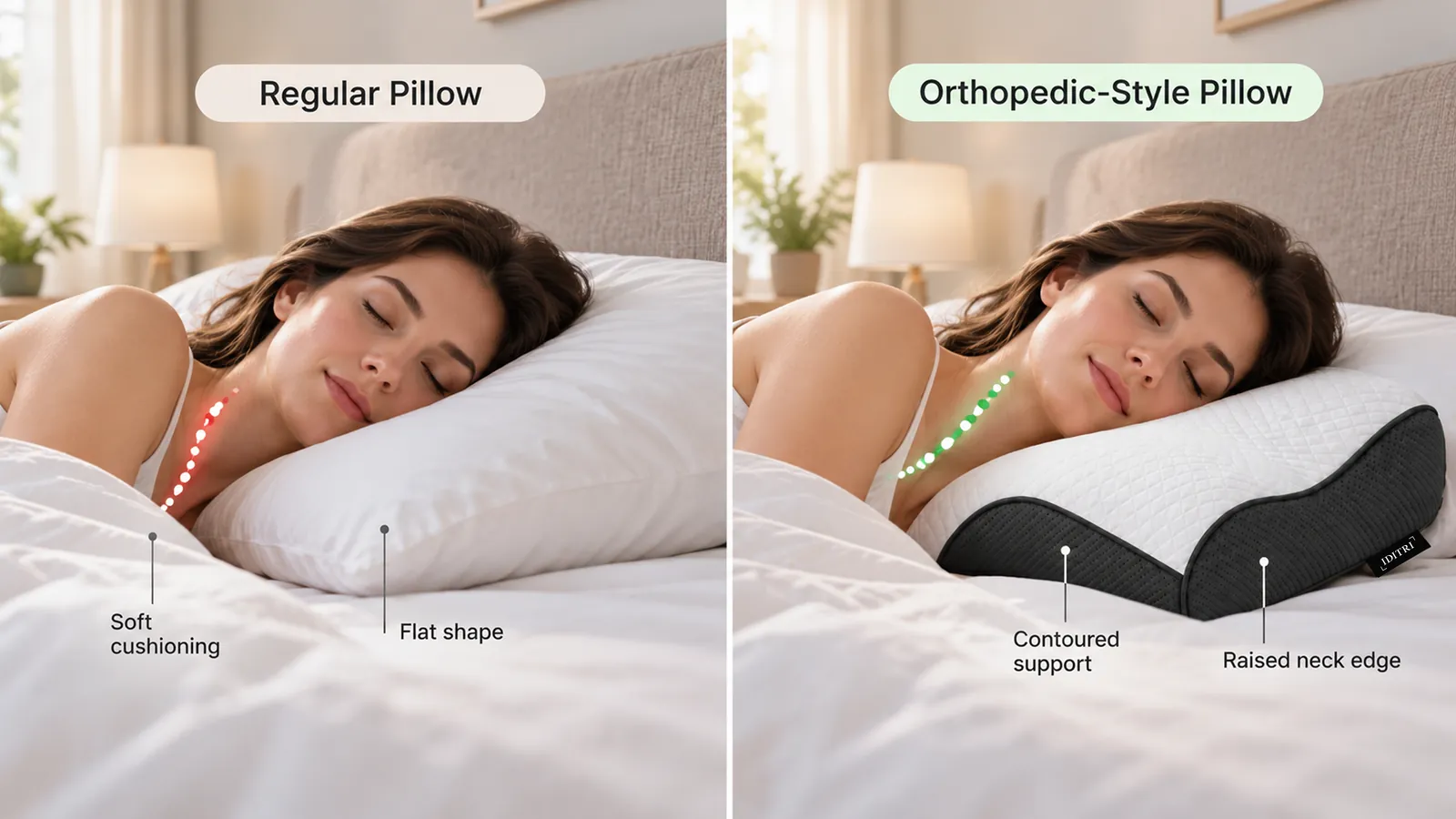
Orthopedic-style and regular pillows can look similar on a shelf but behave very differently in bed. Here is a plain comparison of shape, support and care to help you choose.
An orthopedic-style pillow is shaped for support, not just softness.
Walk down any bedding aisle and most pillows look alike: a soft rectangle filled with fibre. Then you spot a curved, sculpted shape and wonder what it is for. The short answer is that regular pillows are built to cushion, while orthopedic-style pillows are built to support a position.
This guide compares the two so you can choose with confidence. It is general wellness guidance and is not a substitute for personalised medical advice.
How a regular pillow works
A regular pillow is usually a flat rectangle of loose fibre or soft foam. It is comfortable, familiar and easy to move around, which is why so many people use one for years.
Its limitation is that it is the same height everywhere. As your head presses into it, the filling shifts and compresses, so the support under your neck can change from the first hour of the night to the last. Many people respond by folding it, stacking two, or tucking a towel underneath, all of which are clues that the shape is not quite doing the job.
How an orthopedic-style pillow works
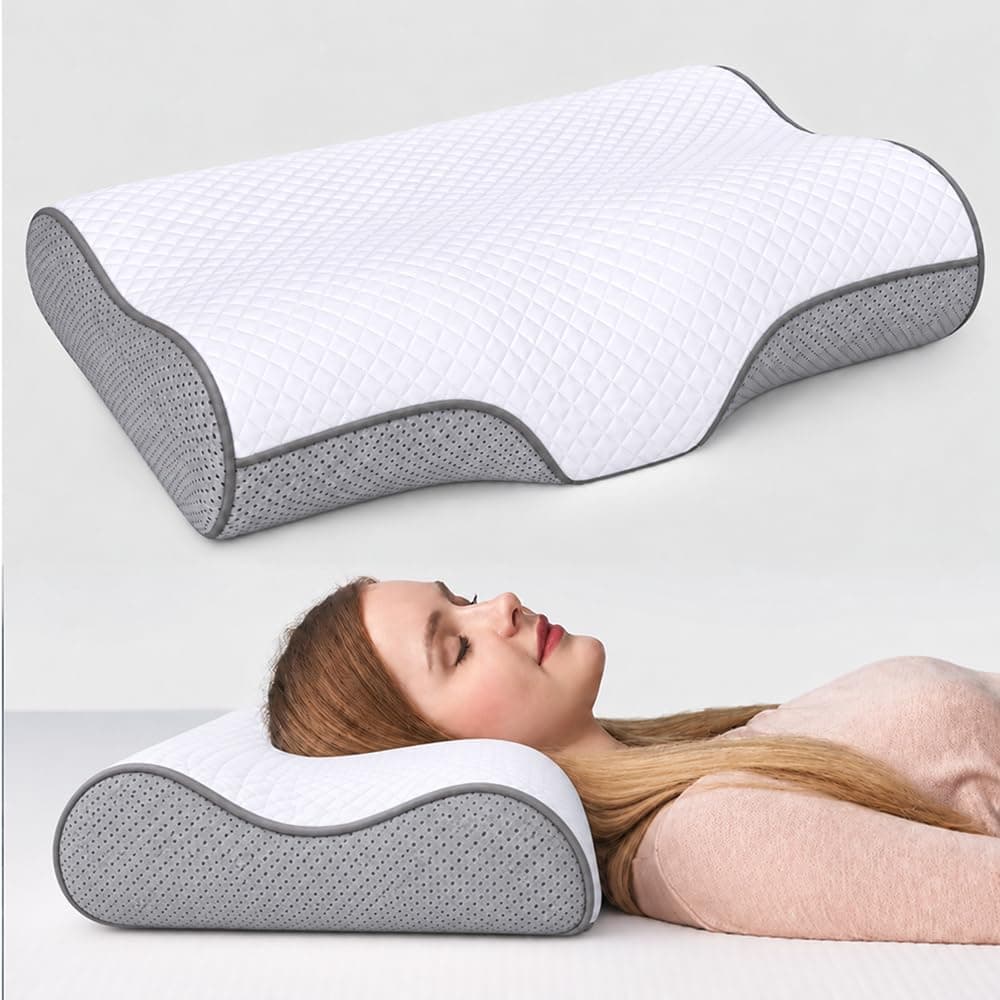
An orthopedic-style pillow uses shape to do the work. A contour has a raised edge for the neck and a lower, gently hollowed area for the head, so the two are supported at different heights.
The core difference: a regular pillow cushions the head, while a contour is designed to hold the head and neck in a neutral position.
Memory foam helps here because it moulds to you and then keeps that shape, rather than flattening into a pancake. That consistency is what lets the pillow hold the same height at the start and the end of the night.
Side by side
Here is how the two compare in everyday use:
- Shape: flat and uniform versus curved with a raised neck edge
- Filling: loose fibre that shifts versus memory foam that holds its form
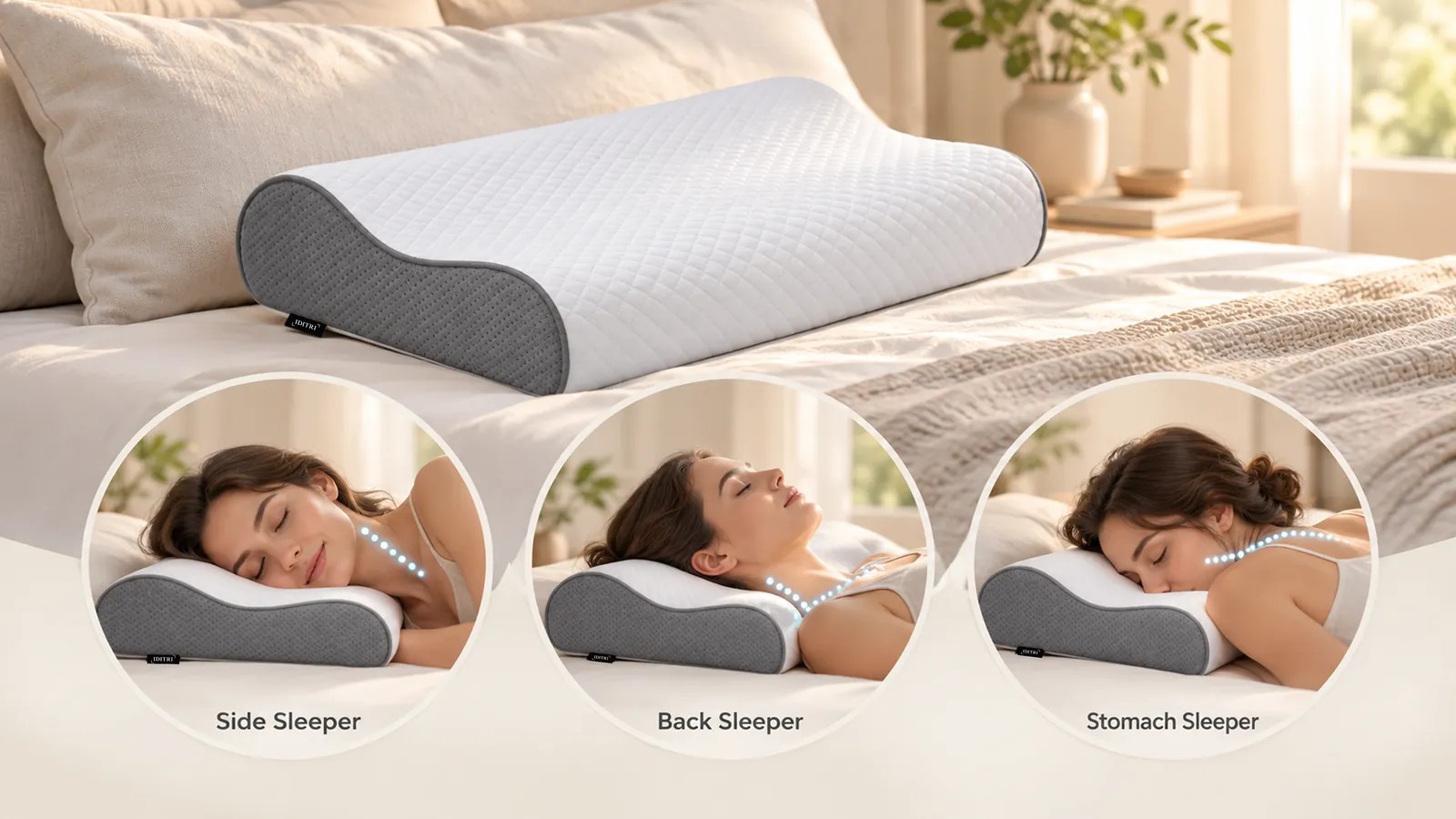
- Positions: general purpose versus designed with side, back and stomach sleeping in mind
- Care: often machine washable versus washing the cover and spot cleaning the foam
Neither is right for everyone. A regular pillow can suit someone who changes position constantly, while a contour suits people who want consistent neck support. It is also worth remembering that the word orthopedic describes a design intention, namely supportive shaping, and not a medical promise, so choose on comfort and fit.
Where the IDITRI Contour Neck Pillow fits
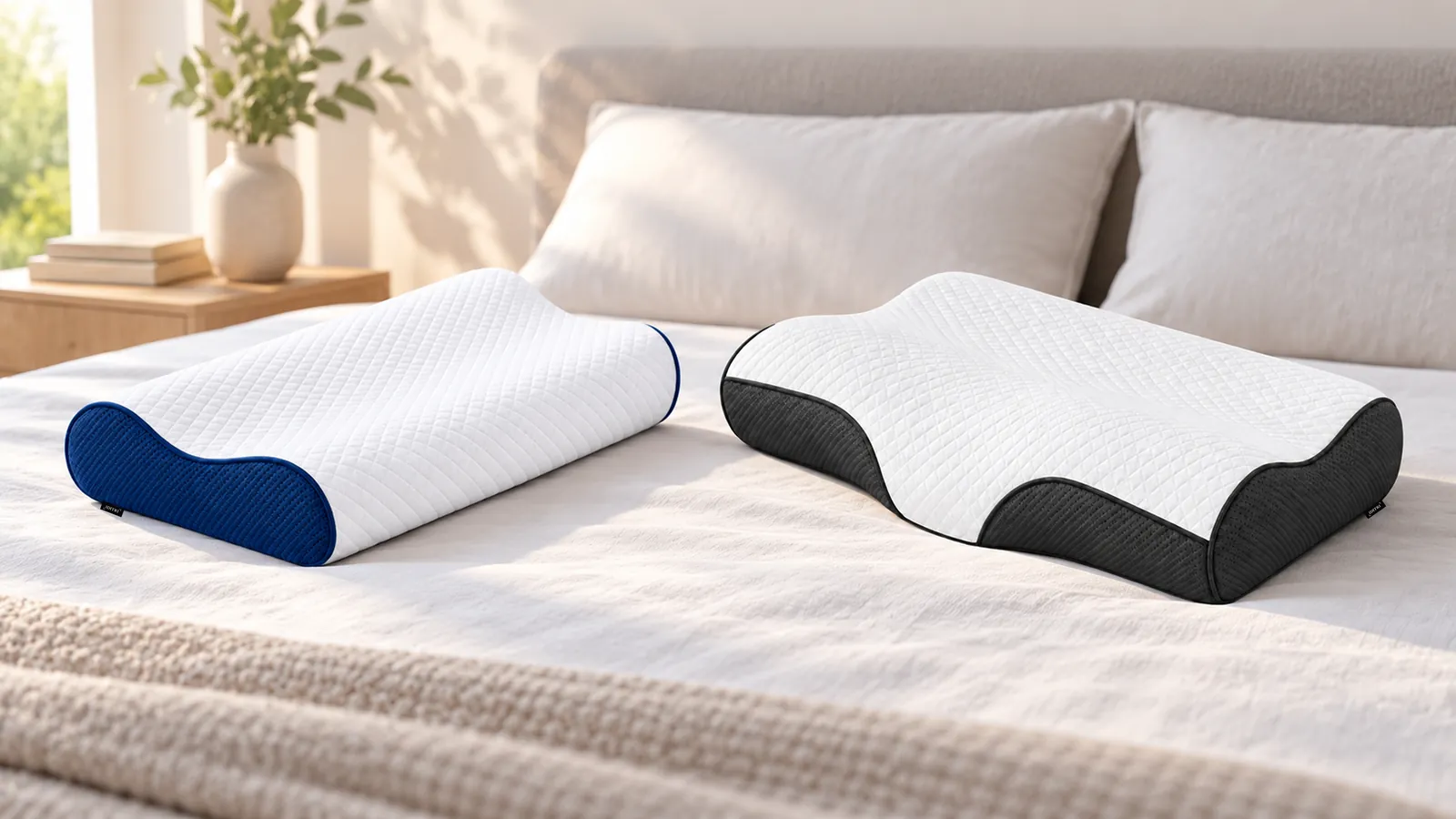
The IDITRI Contour Neck Pillow in Dove Grey is an orthopedic-style design made from soft memory foam. Its curved profile cradles the head and neck, and its raised contour edges suit side sleeping, while the lower centre supports back and stomach sleeping. It measures 19 x 12 x 4 inches, and the removable zip cover is easy to wash.
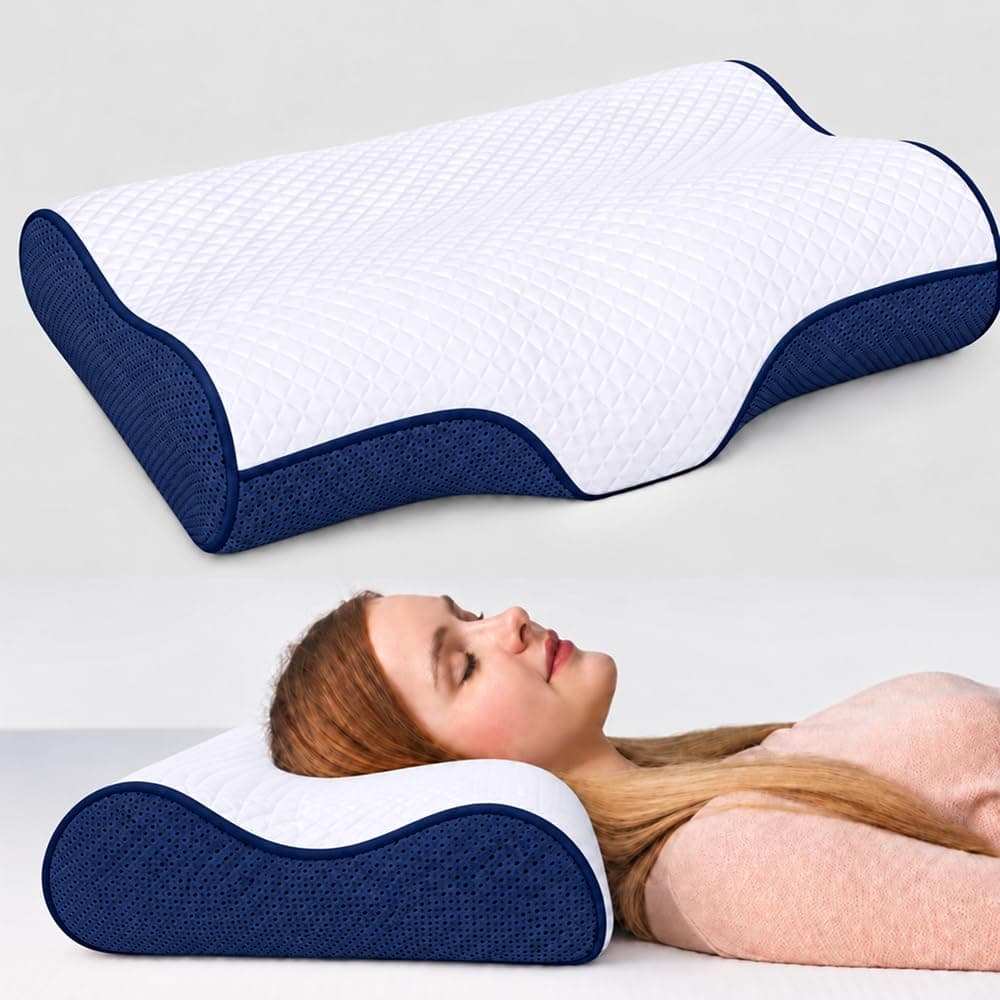
If you prefer a deeper tone, the Contour Neck Pillow in Navy Blue offers the same idea. You can compare every option on our contour pillows page, or look at the cervical pillows if you want a design with a dedicated neck curve.
Choosing the right one for you
Start with how you sleep, because that decides the height you need. A few questions help:
- Do you sleep mostly on your side, back or stomach?
- Do you wake with a head that feels tipped up or dropped down?
- Do you like a sink-in feel or a firmer surface?
- Do you want a pillow that keeps its shape from night to night?
If your answers point toward consistent shape and neck support, a contour is worth trying. Also think about your bed: a firm mattress usually calls for a slightly taller pillow, while a softer one lets the shoulder sink and may call for a lower one.
Adjusting and caring for a contour
A shaped pillow can feel unusual at first, especially after years on a flat one. Give yourself a week or two of nights in your usual position before you judge it.
To keep it fresh, unzip the cover and wash it as per its care label, spot clean the foam core only, and allow it to air dry completely. Never machine wash the foam.
When to seek advice
If you have ongoing neck pain, numbness or tingling, please speak to a qualified healthcare professional. A well-shaped pillow is designed to support comfortable sleep, but it is not a treatment, and persistent symptoms deserve proper care.