Rectangle, Contour or Cervical: Which Pillow Shape Suits You?
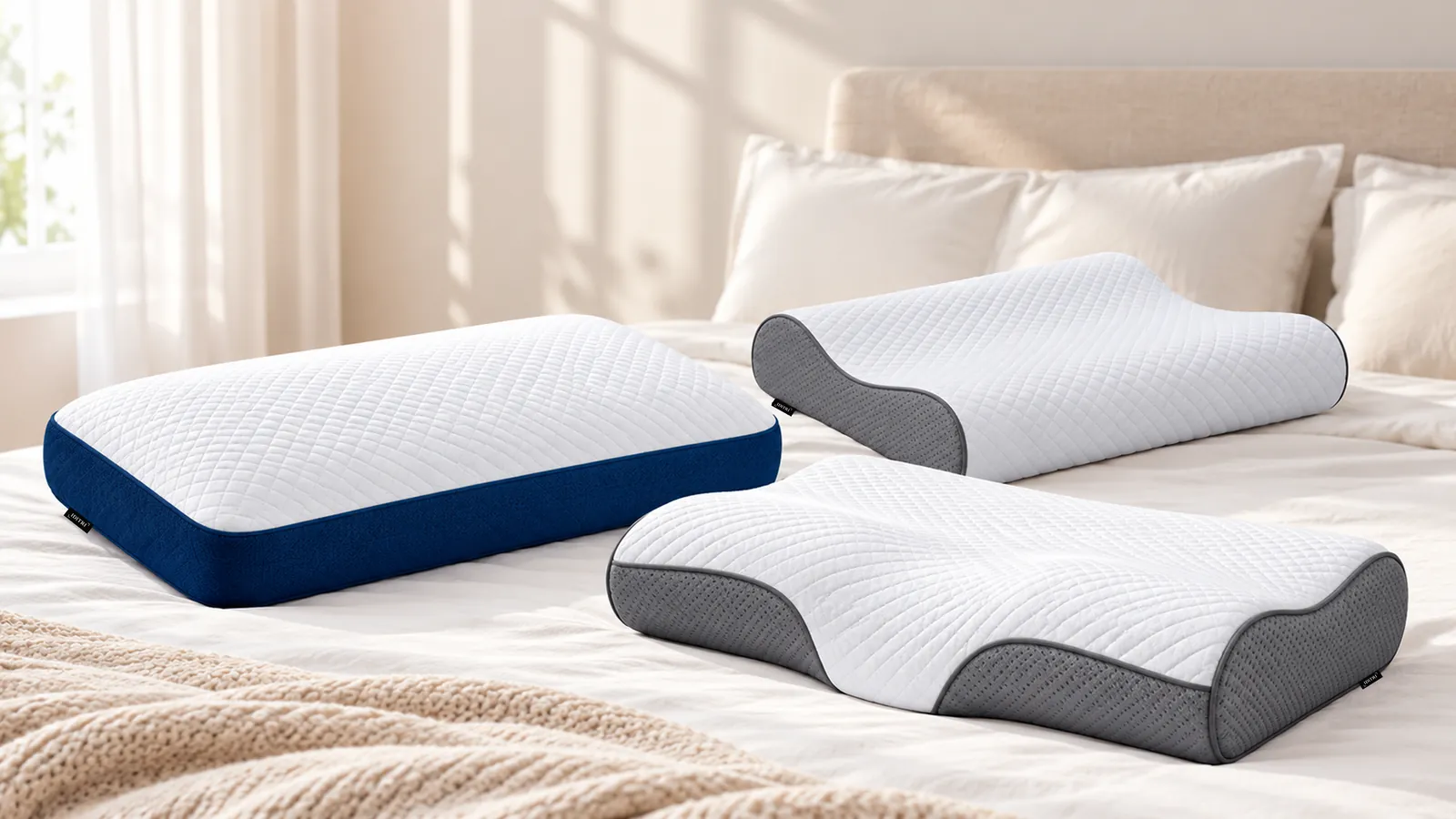
Rectangle, contour and cervical pillows each support your head and neck in a different way. Here is a plain-language comparison to help you match a shape to the way you sleep.
The best pillow shape depends on how you sleep, not on how it looks.
Walk into any bedroom shop and you will find three main shapes: the classic rectangle, the contour and the cervical pillow. They can look similar on a shelf, yet they ask very different things of your head, neck and shoulders. Choosing between them is easier once you know what each one is actually designed to do.
This guide compares the three in plain language so you can match a shape to your own sleeping habits. It is general wellness guidance and not a substitute for personalised medical advice.
Rectangle pillows: the familiar all-rounder
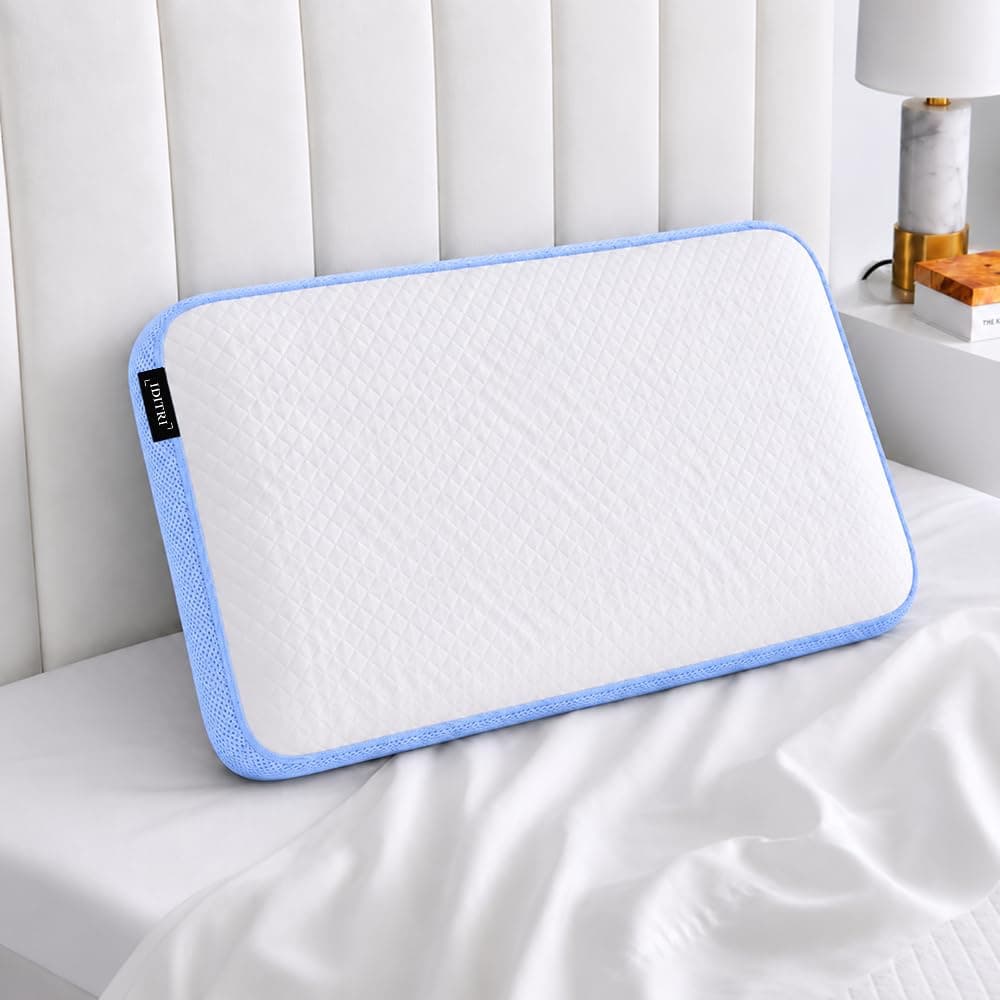
The rectangle pillow is the shape most of us grew up with. It is an even, flat-topped block that supports the head across its full width, so you can shift position through the night without hunting for the sweet spot. Memory foam versions keep that familiar outline while replacing loose fibre fill with a solid block.
- Even support across the whole surface
- Easy to move around on if you change position
- A tidy look when the bed is made
- No pronounced contour to get used to
Because there is no raised edge, a rectangle pillow suits people who like a simple, uncomplicated feel. You can browse the full range on our rectangle pillows page.
Contour pillows: a raised edge for the neck
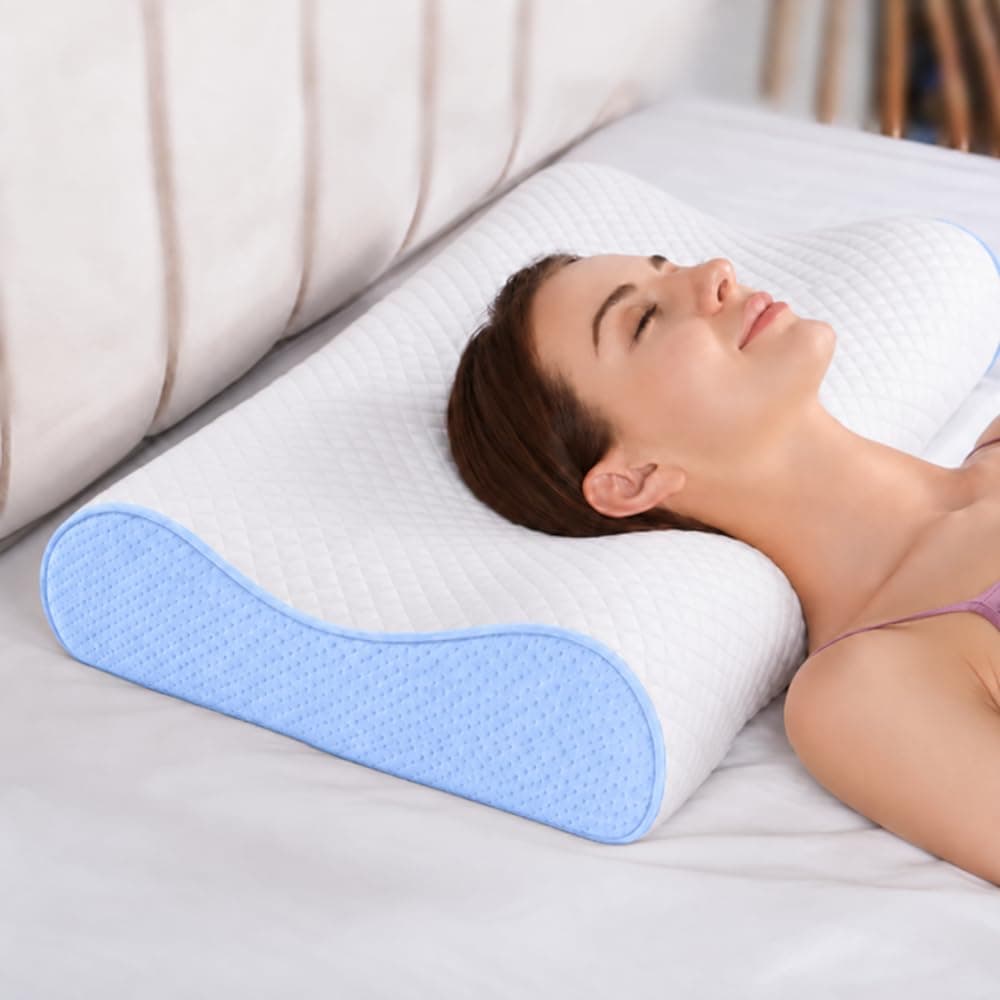
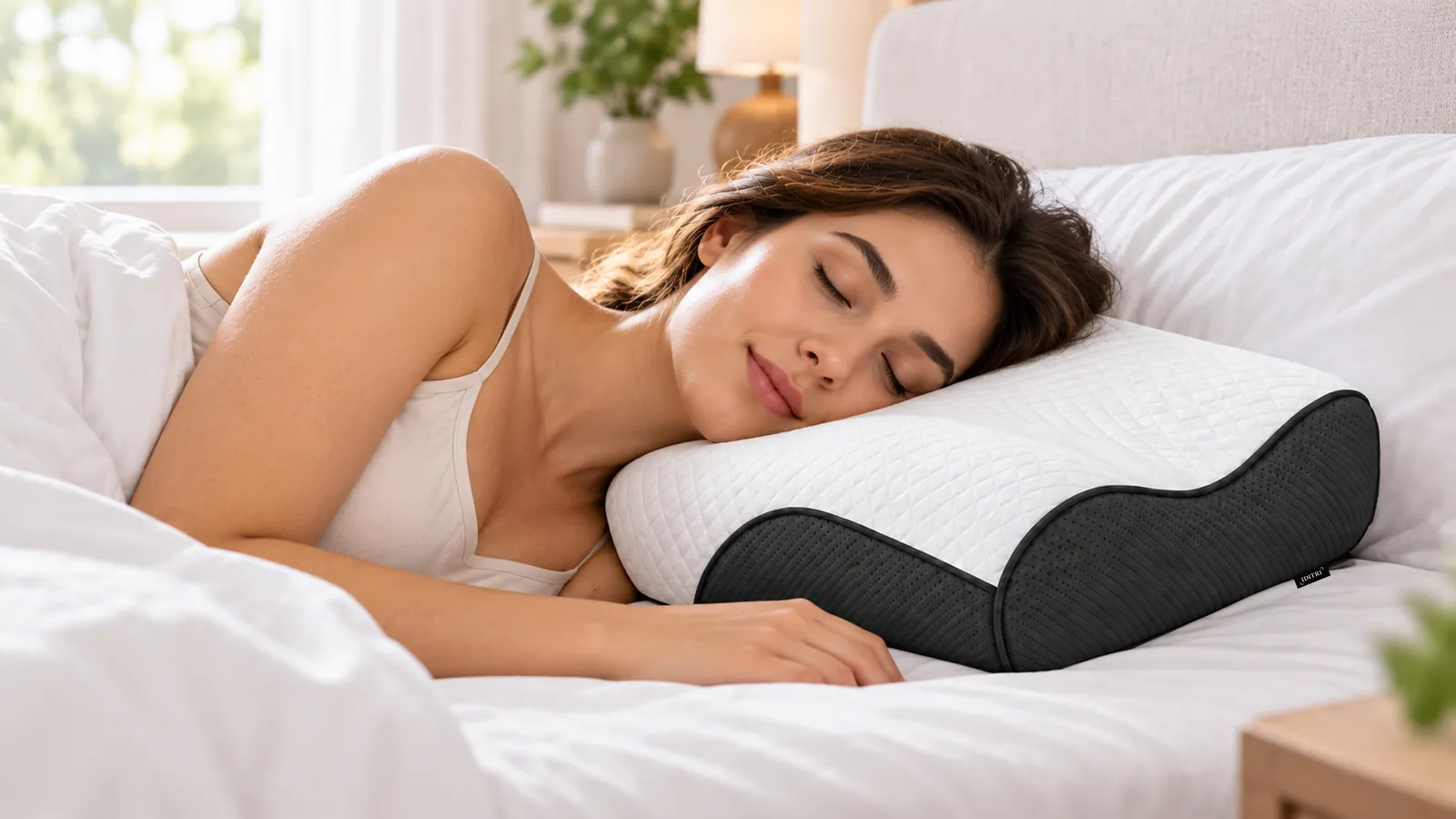
A contour pillow has two zones: a raised edge that sits under the neck and a lower, gently hollowed area where the head rests. The idea is to support the neck where it needs support while the head settles without being pushed forward or up.
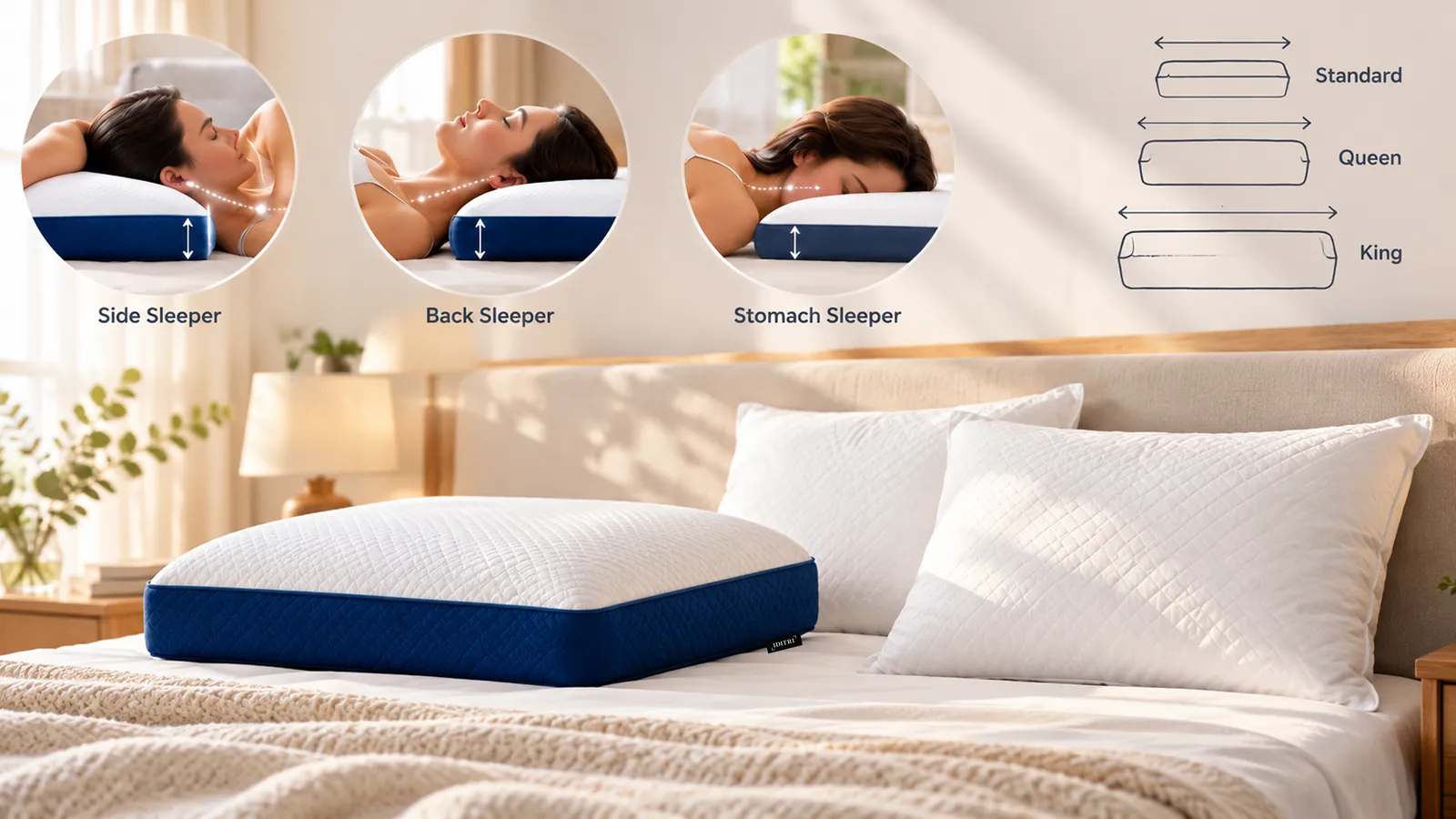
This shape tends to suit side and back sleepers, who benefit from the neck being filled in beneath the head. It does take a few nights to get used to if you are moving from a flat pillow, so give it some time before deciding. Our contour pillows collection shows the different colours and finishes.
Cervical pillows: a curve built around the neck
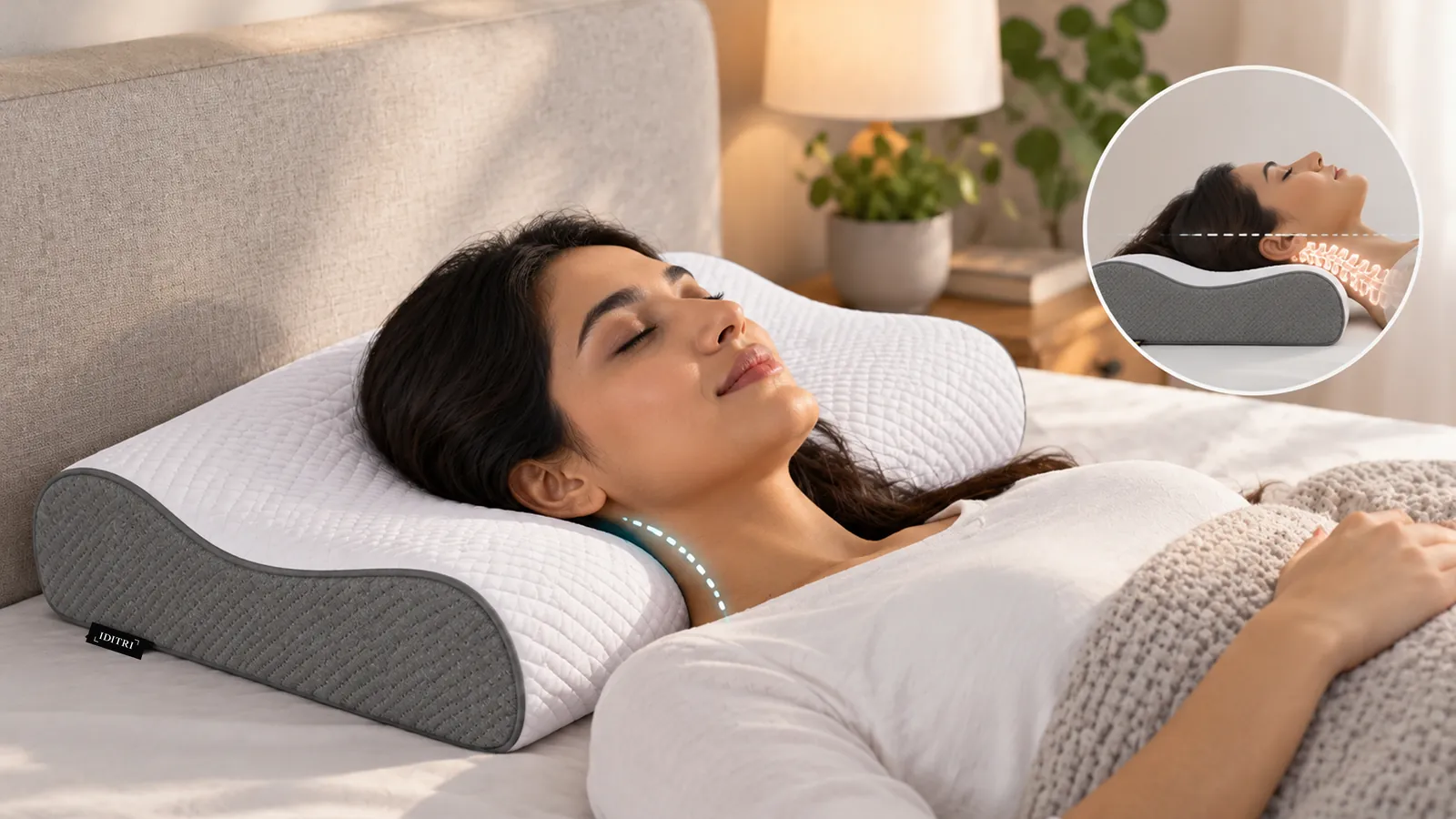
A cervical pillow takes the contour idea further. Its shaping is designed to cradle the natural curve of the neck, helping the head, neck and shoulders rest in a relaxed, neutral line. It is often chosen by people who want a more defined shape and who sleep in more than one position.
The IDITRI Cervical Neck Pillow in Sky Blue is one example, made from soft memory foam and measuring 19 x 12 x 4 inches. Explore every option on the cervical pillows page.
A simple way to compare your options
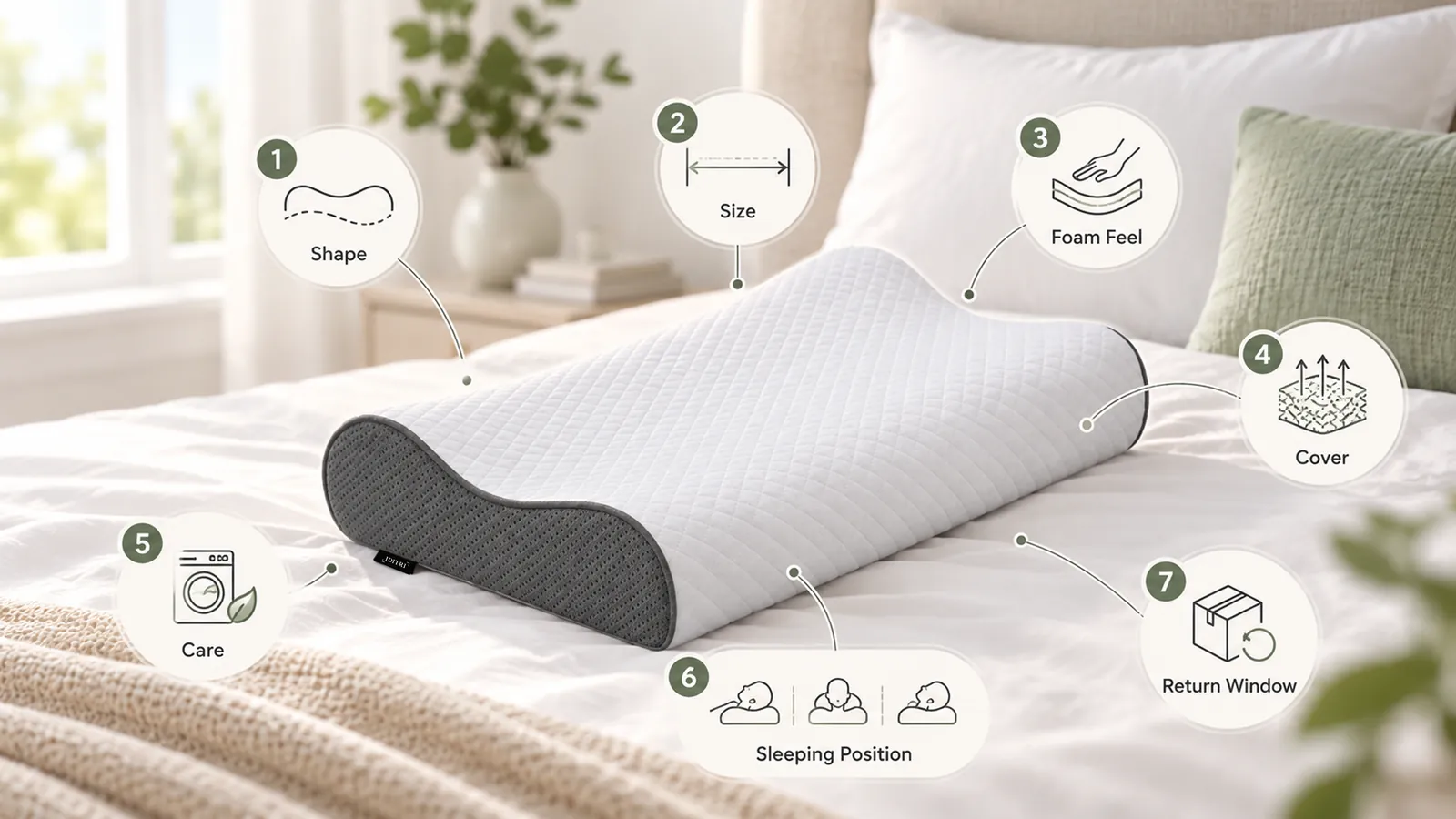
If you are still undecided, work through these steps before you choose:
- Notice your main sleeping position for a few nights.
- Decide whether you prefer an even surface or a shaped one.
- Think about how firm or soft you like your pillow to feel.
- Check the size against your bed and your shoulders.
Rule of thumb: the more you want the pillow to shape itself around your neck, the more a contoured or cervical design is worth a look. The more you want freedom to move, the more a rectangle makes sense.
Where the IDITRI Memory Foam Neck Support Pillow fits
If you like a rectangle shape but want a softer feel, the IDITRI Memory Foam Neck Support Pillow in Sky Blue is worth a look. It is made from soft ergonomic memory foam that gives way gradually as you lie down, moulds gently around the head and neck, and then holds you up instead of letting you flatten out.
It measures 19 x 12 x 4 inches and comes in a fresh sky blue. The cover unzips so you can launder it per its care label, while the foam is spot cleaned and air dried fully. For a more shaped alternative with the same soft memory foam idea, the Cervical Neck Pillow in Sky Blue is a natural next step.
Give any new shape time, and listen to your body
Whichever shape you choose, allow a week or two for your body to adjust. Memory foam softens with body warmth, so the first few nights may feel different from the fifth or sixth.
If you have ongoing neck pain, numbness or tingling, please speak to a qualified healthcare professional. A well-chosen pillow is designed to support comfortable sleep, but it is not a treatment, and persistent symptoms deserve proper advice.