Which IDITRI Pillow Is Right for You? A Quick Decision Guide
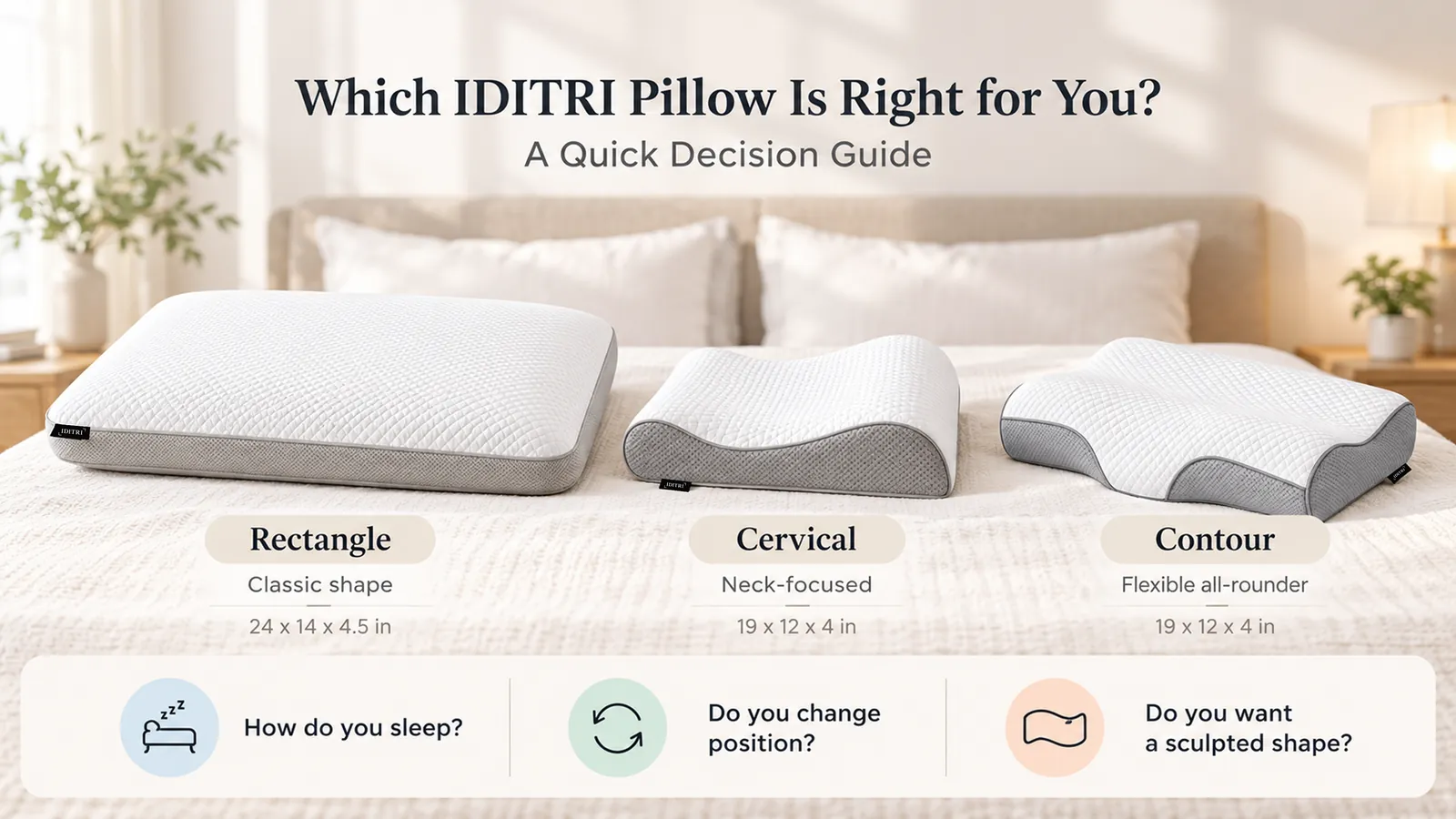
Rectangle, cervical or contour? This quick guide lines up three IDITRI memory foam shapes side by side, then helps you choose with three simple questions about how you sleep.
The right pillow comes down to three shapes and three questions.
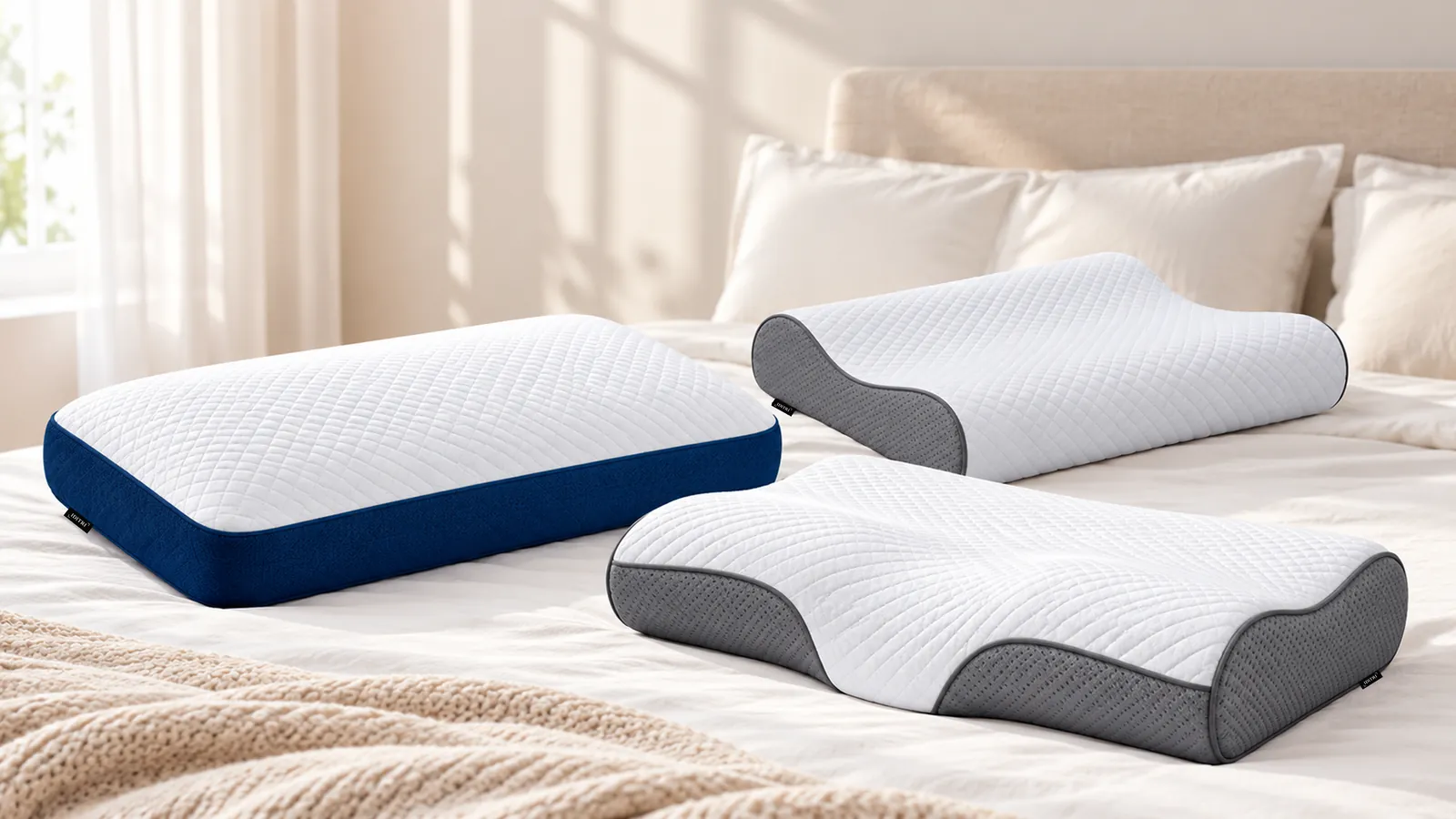
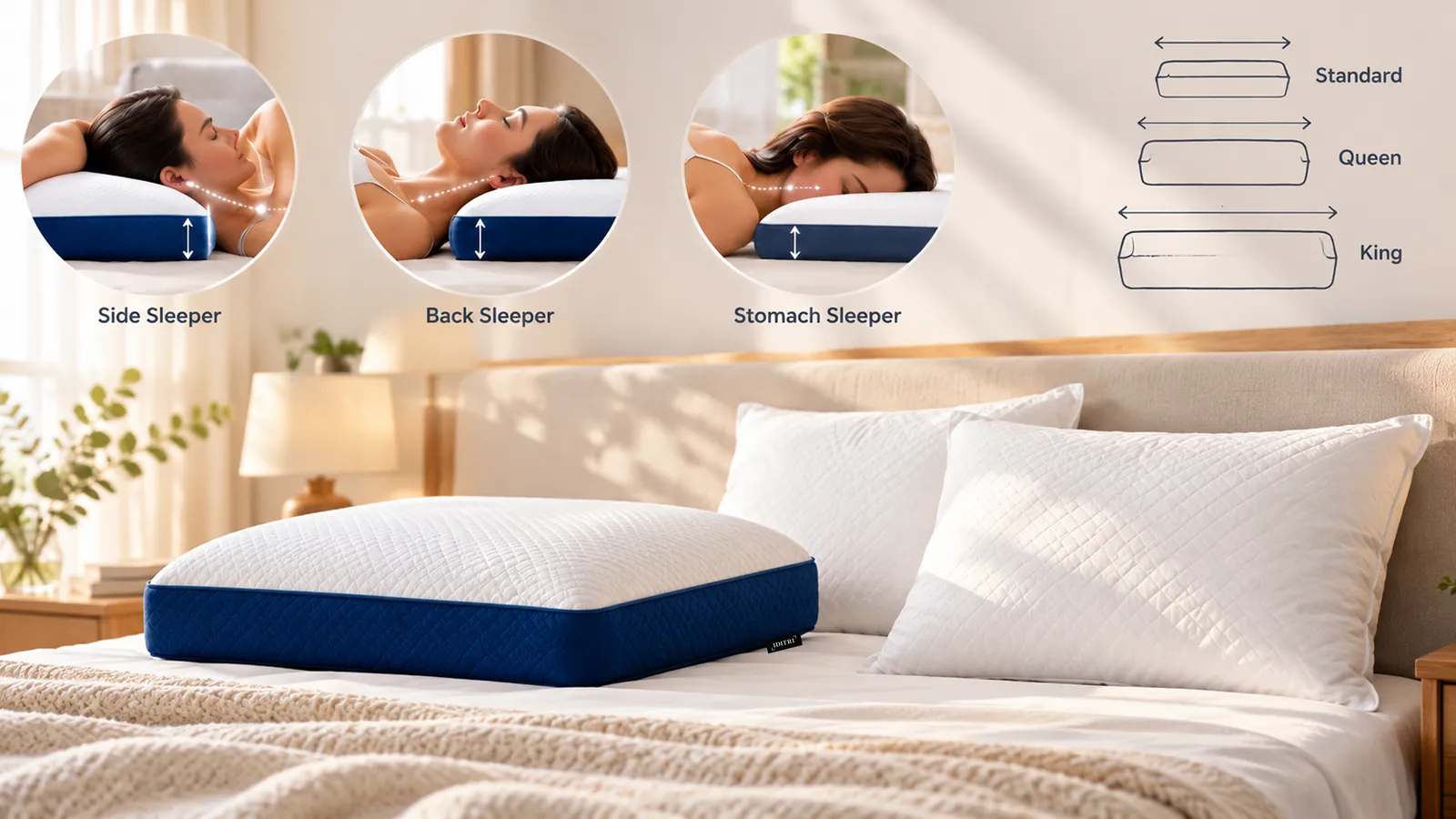
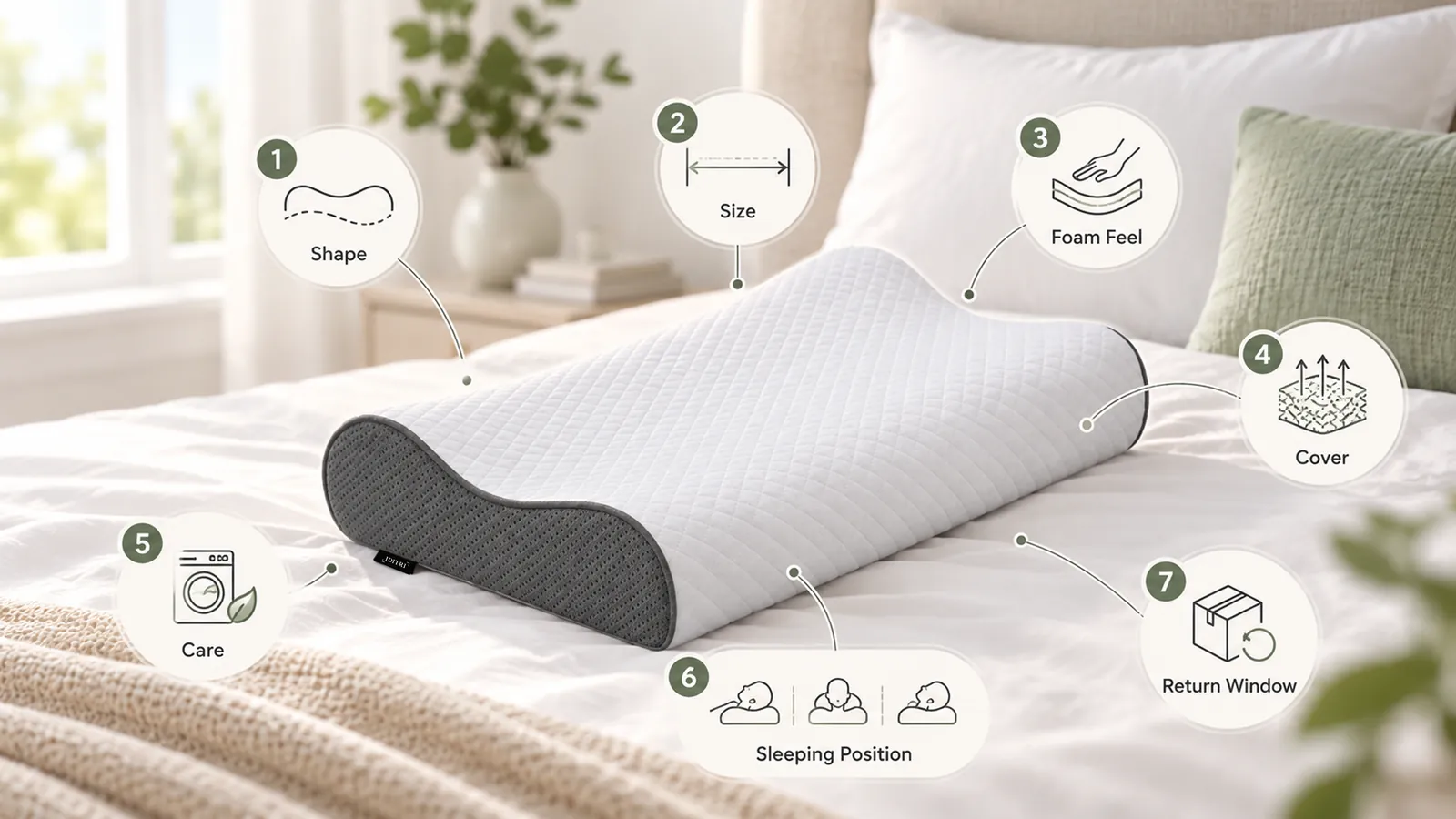
IDITRI memory foam pillows come in three shapes: rectangle, cervical and contour. Each one answers a slightly different sleeping style, and choosing gets much easier once you know what separates them. This guide keeps it short and practical, and it stays fair to every option: none of them is the single best pick, only the best match for a given sleeper.
It is general wellness guidance, not personal medical advice, so use it as a starting point rather than a diagnosis.
The three shapes in one table
Start with the big picture. The most visible difference is size, since the rectangle is larger than the other two, and the second is how much shaping each one has. Here is how a representative pillow from each family compares: the Memory Foam Bed Pillow in White, the Cervical Memory Foam Pillow in Milk White and the Contour Pillow in Dove Grey.
| Feature | Rectangle | Cervical | Contour |
|---|---|---|---|
| Shape | Familiar flat-topped rectangle | Cervical contour that cradles the neck | Curved ergonomic contour |
| Size | 24 x 14 x 4.5 in | 19 x 12 x 4 in | 19 x 12 x 4 in |
| Sleeping position | Side and back sleepers | Neck support while sleeping | Side, back and stomach sleepers |
| Feel | High-density memory foam that holds its shape | Soft, high-density foam | Soft, ergonomic memory foam |
| Best for | Fans of the classic pillow look | A steady, repeatable bedtime routine | Sleepers who change position |
Rectangle: the familiar choice
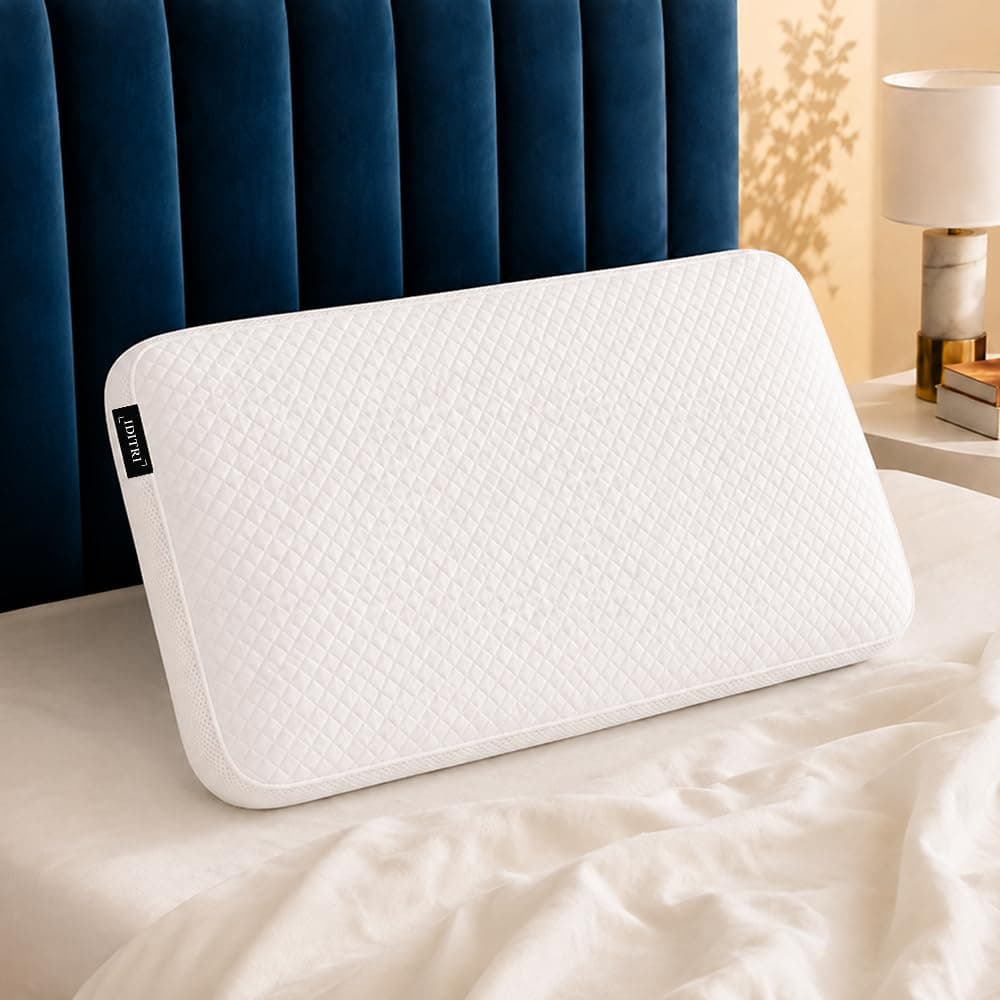
The rectangle keeps the traditional bed-pillow shape but swaps ordinary fibre fill for memory foam. At 24 x 14 x 4.5 inches it is a spacious, king-size fit with room for the head, neck and shoulders, and its removable cover makes upkeep simple.
It is made without the pronounced contour of a cervical-style pillow, so it suits people who want memory foam comfort without a sculpted shape. Browse more on the rectangle pillows page.
Cervical: the steady neck-focused choice
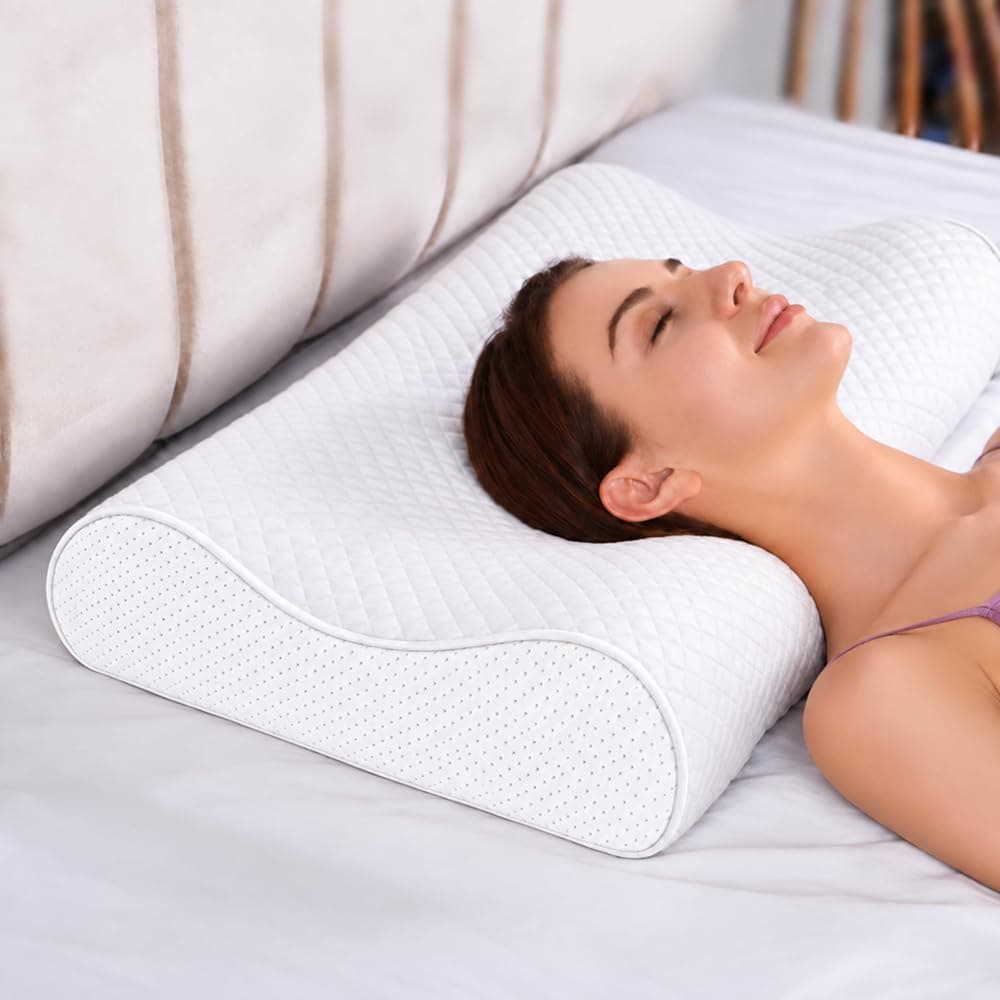
The cervical pillow cradles the neck in a consistent position, so tonight feels like last week. Its soft, high-density foam is gentle, and it keeps its contour without plumping or reshaping. It measures 19 x 12 x 4 inches, with a zip-off spandex cover to wash as per its care label.
If you like routine and want your pillow to behave the same each night, this is the shape to look at. The full range is on our cervical pillows page.
Contour: the flexible all-rounder
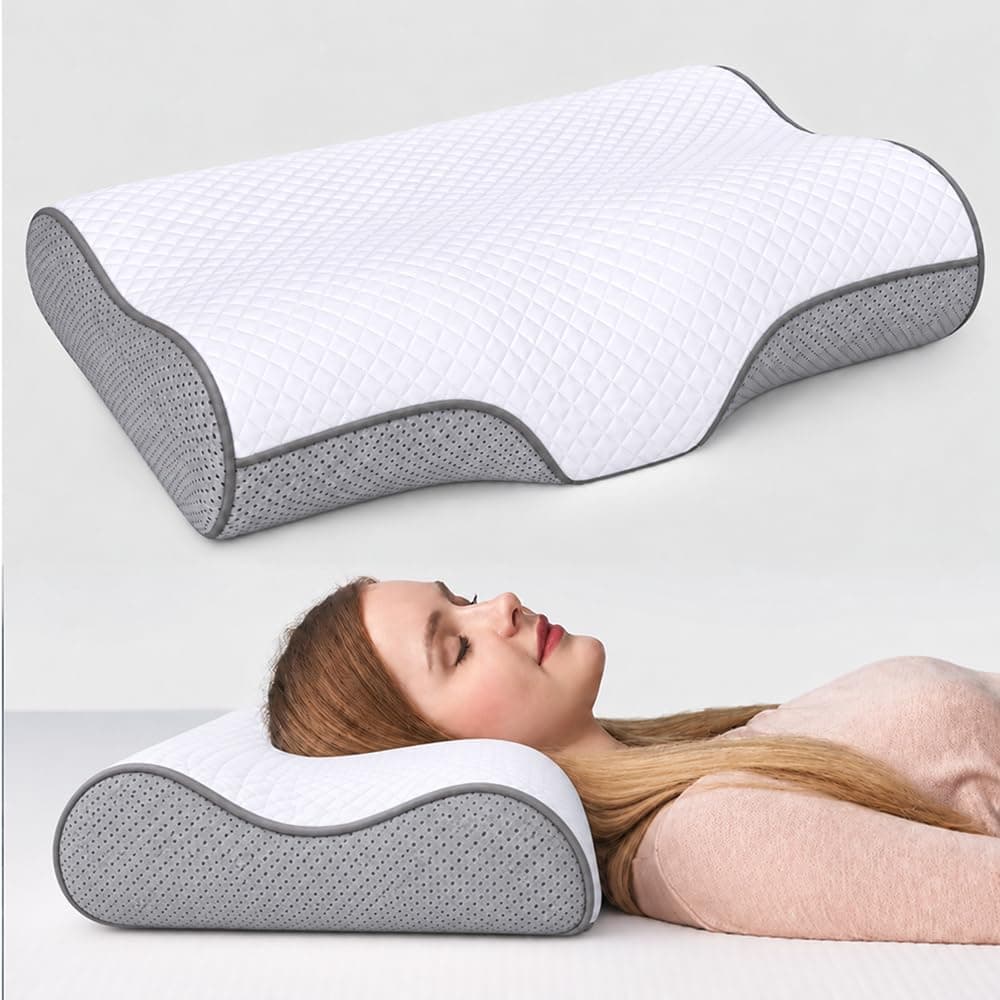
The contour pillow uses ergonomic memory foam to cushion the head and neck, and it is described as adapting to stomach sleeping without losing its supportive shape. At the same 19 x 12 x 4 inch size, its cover unzips fully for regular washing.
If you drift between positions overnight, its flexibility is the main appeal. Explore the contour pillows collection to compare more colours.
- Shape: a curved profile rather than a flat block
- Size: 19 x 12 x 4 inches, easy to fit on most beds
- Cover: breathable and fully unzipping
- Positions: side, back and stomach sleepers
Answer three questions to decide
Work through these in order and note where you land.
- How do you usually sleep? Mostly side or back with a liking for a classic pillow points to the rectangle; a neck-focused shape points to cervical or contour.
- Do you change position at night? If yes, the contour is the flexible pick; if you stay put, the cervical suits a consistent routine.
- How do you feel about a sculpted shape? If you want none, choose the rectangle; if you enjoy a defined neck hollow, choose cervical or contour.
If your answers split between two shapes, that is perfectly normal. Pick the one that matches your most common sleeping position, since that is where you spend the most hours, and let your comfort over the first few nights guide you.
A final word before you choose
No pillow is right for everyone, and the best test is a fair trial of a week or two in your usual position. Wash covers as per their care labels and air dry foam cores fully.
Lie in your usual position, check that your head and neck feel relaxed rather than propped or dropped, and notice whether your shoulder has room. If something feels off after a couple of weeks, try a different shape from the range.
Remember: a pillow is designed to support comfortable sleep, but it is not a treatment. If you have ongoing neck pain, numbness or tingling, please see a qualified healthcare professional.